Top Benefits of the Fotona 4D Laser Facial (TimeWalker)
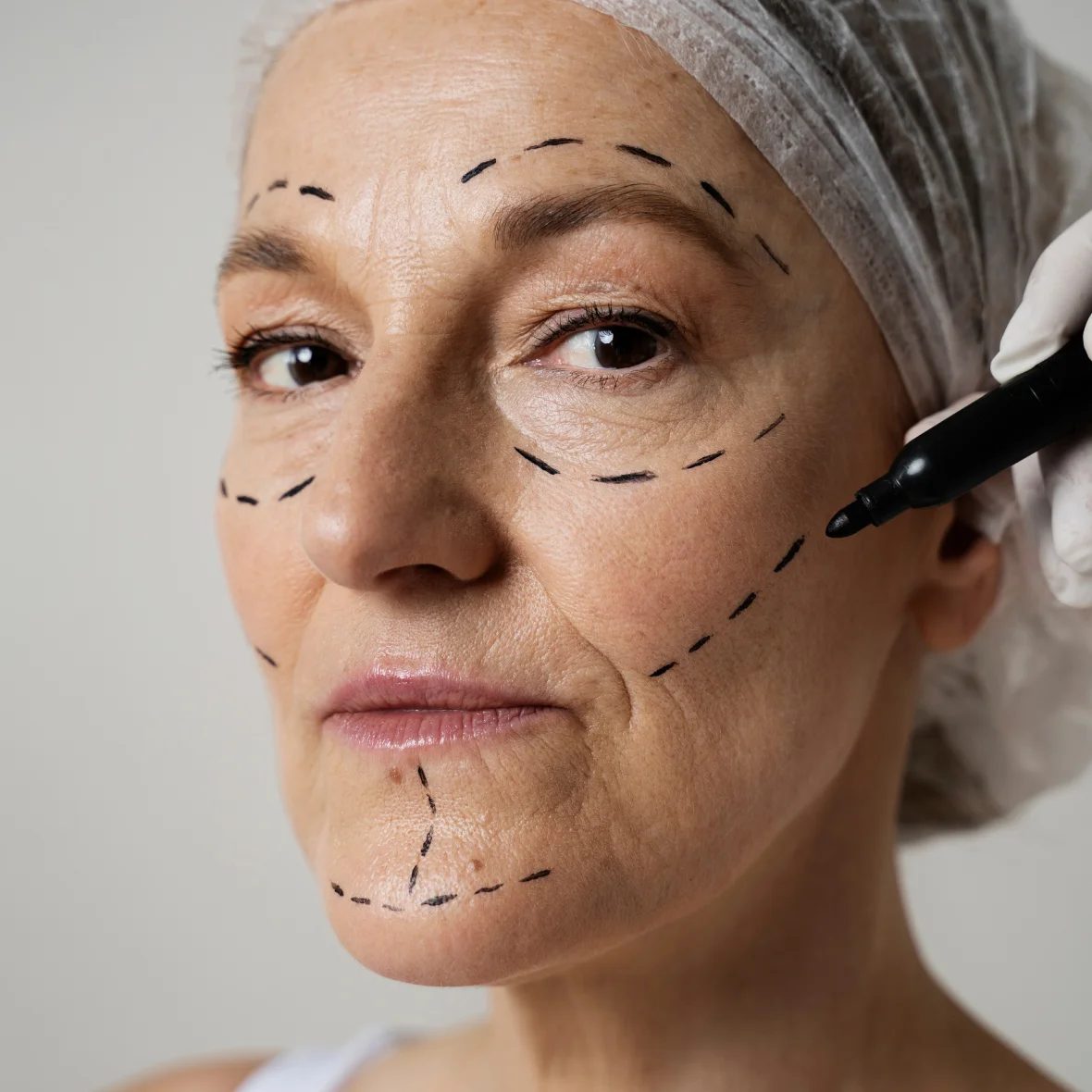
The reason the Fotona 4D Laser Facial (TimeWalker) gets so much attention is simple: it tackles several signs of facial aging at once, without asking patients to disappear from work or social life for weeks. That matters. Most people are not looking for one dramatic procedure with a long recovery. They want skin that looks fresher, tighter, smoother, and more awake, but still like their own face on a good day.
In practice, that is where this treatment stands out. It is not just a single laser pass over the skin. It is a layered approach that works both inside the mouth and on the external skin surface, using different modes to target tone, texture, laxity, and fine lines from multiple angles. When it is done well, the result is often not a radically altered appearance, but a gradual improvement in firmness, radiance, and facial definition. For many patients, that is exactly the point.
The phrase “non-surgical facelift” gets used too loosely in aesthetics, so it is worth being precise. A Fotona 4D treatment does not replace a surgical facelift when someone has heavy jowling, marked skin redundancy, or advanced neck laxity. What Fotona 4D Laser Facial (TimeWalker) it can do, often very impressively, is improve early to moderate looseness, soften etched lines, refine surface texture, and give the skin a healthier, more rested look. It is best understood as a meaningful collagen-stimulating treatment rather than a miracle shortcut.
What makes TimeWalker different
Most laser facials focus primarily on the skin surface. The Fotona 4D Laser Facial (TimeWalker) is different because it combines internal and external treatment steps. One of its signature features is the intraoral component, where the laser is used inside the mouth to stimulate contraction and remodeling in the tissue that supports areas like the nasolabial folds and lower face. That sounds unusual the first time patients hear it, but clinically it is one of the elements that makes the treatment distinctive.
The system uses erbium and Nd:YAG wavelengths in a sequence designed to address different layers and concerns. In practical terms, that means one phase can gently heat deeper tissue to stimulate collagen, another can target vascularity and diffuse redness, another can tighten and smooth, and the final polishing pass can refine texture at the skin’s surface. Instead of chasing one issue at a time with separate appointments, the treatment combines several objectives in one session.
That layered strategy tends to produce a more balanced outcome. You are not just brightening the top layer while ignoring support underneath, and you are not tightening tissue while leaving rough texture untouched. Good aesthetic work usually comes from treating the face as a whole, not as isolated problems. TimeWalker fits that philosophy better than many single-mode laser treatments.
A noticeable lift without surgery
One of the strongest benefits is the visible tightening effect, especially in patients who are starting to see early sagging around the cheeks, jawline, mouth, and lower face. I have seen the best responses in people who say things like, “My skin looks heavier,” or “I feel like my lower face is less defined than it used to be,” even though they are not ready for surgery and may never want it.
The improvement does not usually show up as a dramatic overnight change. Some people do notice a mild immediate tightening from tissue contraction, but the more important shift happens over the following weeks and months as collagen remodeling progresses. The skin often looks a bit firmer first, then the contours seem cleaner, then makeup sits better because the surface appears smoother and less creased.
This matters because facial aging is rarely one thing. It is not just a wrinkle issue. It is volume descent, textural wear, reduced elasticity, sun damage, and a gradual loss of that springy quality younger skin has. The Fotona 4D Laser Facial (TimeWalker) addresses part of that complex picture by encouraging the skin and supporting tissue to behave more like younger tissue, at least to a degree that is visible and useful.
It is also a treatment that can help people bridge a long middle period. There is often a decade or more where a patient feels bothered by mild to moderate aging changes but is not a candidate for surgery, does not want injectables as the main strategy, or simply prefers a device-based option. This is where TimeWalker often earns its place.
Better skin texture, not just tighter skin
Tightening gets the spotlight, but texture improvement is one of the reasons patients come back. The skin can feel rougher, look duller, and reflect light less evenly as it ages. Fine crêpiness near the eyes, around the mouth, and on the cheeks is especially common. Surface-focused phases of the treatment help smooth that out.
When texture improves, the face often looks younger even if no one can point to a single wrinkle that disappeared. This is one of those subtle but powerful aesthetic truths that patients immediately recognize when they see their own before and after photos. Skin that reflects light evenly reads as healthier. Pores look less obvious. Foundation needs less effort. The whole face looks more “finished,” even on low-maintenance days.
This benefit is particularly meaningful for patients who have a mix of concerns: maybe some mild acne scarring from years ago, a little sun damage, and that sandy, uneven skin feel that develops over time. They may not need aggressive resurfacing, but they do need more than a hydrating facial. TimeWalker occupies a useful middle ground, offering a genuine reset in skin quality without the downtime associated with fully ablative resurfacing.
Softening lines around the mouth and eyes
Perioral lines and crow’s feet are some of the hardest concerns to treat well because the skin in these areas is thin, mobile, and constantly in motion. Fillers are not always the right answer. In fact, using filler too casually around the mouth can create heaviness or an unnatural look. A laser that stimulates collagen and improves the skin itself often makes more sense.
The internal mouth treatment is especially relevant here. By targeting tissue from inside the oral cavity, TimeWalker can help support the area around the nasolabial folds and marionette region in a way that is hard to replicate with surface treatments alone. It does not erase deep folds the way a surgeon might reposition tissue, but it can soften them, and on the right patient that difference is meaningful.
Around the eyes, the appeal is similar. Mild to moderate creasing and early skin laxity often respond well because the treatment encourages firming without adding volume. Patients who say they are starting to look “tired” rather than “old” often appreciate this sort of refinement. It is enough to freshen the area without changing expression.
Minimal downtime is a real advantage
Downtime is where many popular treatments lose people. Even patients who can afford stronger procedures often cannot afford the schedule disruption. They cannot show up to meetings with heavy peeling, or cancel a week of social plans because of swelling and redness. The Fotona 4D Laser Facial (TimeWalker) tends to fit modern schedules much better.
After treatment, it is common to have redness, warmth, and a sun-kissed or slightly puffy appearance for a day or two, sometimes a little longer depending on settings and individual sensitivity. Some patients feel dry or tight for several days. Compared with deeper ablative procedures, though, the recovery is generally manageable. Many people return to normal activity quickly, especially if they plan the treatment sensibly and follow aftercare closely.
That convenience changes the decision for a lot of patients. A treatment does not need to be painless or recovery-free to be worth doing, but the logistics do matter. If someone can get a meaningful improvement in tone, firmness, and glow without stepping out of life for a week or two, they are far more likely to commit to the process.
It works well for prevention, not just correction
There is a persistent misconception in aesthetics that treatments only make sense once a problem becomes obvious. In reality, collagen-supporting procedures often deliver their best value when started before laxity and wrinkling become pronounced. The goal is not to chase youth obsessively. It is to preserve skin quality and structural support while the skin still has a strong capacity to respond.
This is where younger patients in their thirties and forties often do well. They may have mild laxity, early smile lines, some uneven texture, and a sense that their skin is losing bounce. On paper, these changes sound small. In the mirror, they can feel significant. TimeWalker is often a good fit because it helps slow visible decline while also producing an immediate cosmetic benefit.
For older patients, the treatment can still be very worthwhile, but expectations must be grounded. Someone with advanced skin laxity, significant volume loss, and deep folds may still enjoy improvement in brightness, texture, and mild tightening, but they should not be sold the idea that this will replicate surgery. Experienced practitioners are careful about that distinction because patient satisfaction depends as much on correct treatment selection as on technical skill.
A more natural look than overfilling
There has been a quiet shift in patient preferences over the last several years. Many people still use filler and neuromodulators, but fewer want the obviously “done” look. They are less interested in inflated cheeks and more interested in skin quality, contour, and natural movement. The Fotona 4D Laser Facial (TimeWalker) fits that shift well.
Because the treatment stimulates the skin’s own remodeling response, the results tend to read as believable. Friends may say someone looks well-rested or ask if they changed skincare, but the face still looks like itself. For patients who are wary of injectables or have had too much filler in the past, that can be a relief.
I have also seen this treatment work nicely as part of a “de-bulking” strategy for people who are moving away from an overfilled appearance. Once excess filler has been dissolved or allowed to settle, the face sometimes looks older for a brief period because the underlying skin quality and support issues are now visible. Device-based treatments like TimeWalker can help restore firmness and polish without putting that volume straight back in.
Good synergy with other aesthetic treatments
One reason practitioners value this laser platform is that it does not have to carry the whole burden alone. A patient might use the Fotona 4D Laser Facial (TimeWalker) as the backbone of a rejuvenation plan, then add other treatments selectively based on need. This is often how the best long-term results are built.
Someone with redness and pigment may pair laser sessions with prescription skincare. Another patient may combine TimeWalker with conservative neuromodulator use to reduce dynamic lines while the laser improves skin quality and collagen. Others may eventually add a small amount of filler, but less than they would have needed otherwise because the skin itself looks stronger and tighter.
The practical advantage is that the face can be treated more intelligently. Instead of relying on one tool for every concern, the treatment plan can reflect what is actually happening in the skin. That leads to better outcomes and usually a more natural endpoint.
Why many patients like the treatment experience itself
The treatment is not identical for everyone, but the general flow is part of its appeal. Patients often like that it feels comprehensive. They leave with the sense that multiple concerns were addressed in one appointment rather than patched together over several disconnected visits.
The intraoral phase is usually the part people are most curious about. It can feel unusual, but with proper preparation and explanation, most tolerate it well. The external passes create warmth and a snapping sensation depending on the mode used. Discomfort varies, but it is generally acceptable, especially when patients know what each step is accomplishing.
There is also a psychological benefit to a treatment that feels substantial without feeling extreme. People often want something more meaningful than a spa facial but less invasive than surgery. TimeWalker sits comfortably in that in-between space.
Who tends to benefit most
No single profile guarantees a great result, but some patterns show up repeatedly in clinic. The patients who are happiest usually understand what the treatment can and cannot do, and their concerns align with its strengths.
- early to moderate facial laxity, especially in the lower face and around the mouth
- fine lines, textural roughness, and dull skin tone
- patients seeking natural-looking rejuvenation without injectables as the main approach
- people who need limited downtime
- those interested in collagen stimulation and maintenance over time
Skin type, medical history, active acne, recent sun exposure, melasma tendency, and previous procedures all matter when planning treatment. That is one reason consultation quality is so important. A laser is only as good as the judgment behind it.
The benefit of gradual improvement
Some treatments are satisfying because the result is immediate. Others are satisfying because the improvement keeps unfolding. TimeWalker belongs more to the second category. While there may be an early glow and some temporary tightening, the deeper value comes from change that builds.
Patients often appreciate this once it is explained properly. A gradual result can be easier to live with socially, and it often looks more authentic. Instead of appearing suddenly altered, they simply look better over the next several weeks. Skin gains a fresher quality. Lines soften slightly. The jawline reads cleaner in photos. This kind of progression tends to age well because it is not dependent on one dramatic moment.
From a clinical standpoint, gradual improvement is also a clue that the treatment is doing what it is supposed to do: stimulating remodeling rather than creating a quick cosmetic trick. That is part of why maintenance sessions can be so effective. Once collagen has been nudged in the right direction, periodic follow-up helps preserve the gains.
Practical considerations before booking
There is no perfect treatment, and professionalism means being candid about limits. Results depend on age, skin quality, treatment settings, provider experience, and consistency. Most patients need a series rather than a one-off session if they want the fullest effect. Maintenance is usually part of the conversation as well.
Cost matters too. A Fotona 4D Laser Facial (TimeWalker) is typically priced above a standard facial and often above lighter laser refresh treatments because it is more complex and technology-driven. Whether it is “worth it” depends on the patient’s goals. If someone wants one treatment that can address several early aging concerns at once, the value proposition can be strong. If they only want to treat a very narrow issue, another option may be more efficient.
The choice of provider is critical. Fotona 4D Laser Facial (TimeWalker) These results are operator-dependent. Good settings on the wrong face can disappoint, and conservative settings on the right patient can underdeliver. Ask how often the provider performs the treatment, what kind of candidate tends to do best, and what sort of progression they expect after one session versus a full series. Those answers tell you a lot.
A few questions are worth discussing at consultation:
- What specific concerns on my face is this treatment best suited to improve?
- How many sessions are realistic for my starting point?
- What downtime should I expect based on the planned settings?
- Would I benefit from combining this with skincare, neuromodulators, or another procedure?
- What result is unlikely, so I can set expectations correctly?
Where this treatment shines in the real world
The best use case for the Fotona 4D Laser Facial (TimeWalker) is not someone chasing perfection. It is someone who wants to look fresher, firmer, and more polished without crossing into an artificial result or a major recovery period. It shines in the patient who notices the first meaningful slide in skin elasticity, who sees softness where there used to be definition, and who wants an option more powerful than topical products but less invasive than surgery.
Its top benefits are not just technical. Yes, it can tighten, smooth, brighten, and stimulate collagen. But the larger advantage is that it does these things in a way that fits real lives and modern aesthetic preferences. It respects the patient who wants subtlety. It rewards consistency. And when chosen well, it improves not just how the skin looks in the mirror, but how confidently someone feels walking out the door without needing to hide behind heavy makeup or strategic lighting.
That is why the treatment has earned a loyal following. Not because it promises fantasy, but because it delivers credible rejuvenation in a format many people can actually use.
OMNIA Wellness Center
Address: 16430 Ventura Blvd Ste 207, Encino, CA 91436
Phone: (818) 386-8511
FAQ About Fotona 4D Laser Facial (TimeWalker)
What are the benefits of Fotona laser treatment?
OMNIA offers this treatment for concerns such as uneven texture, dull tone, and fine lines. Results and the number of sessions vary, so discuss your goals with a provider.
Is Fotona laser safe?
A qualified provider should review your skin, medical history, medications, and recent sun exposure to determine whether the treatment is appropriate. Ask about possible irritation, pigment changes, and aftercare before booking.
How much does a Fotona 4D facelift cost?
Price depends on the treatment plan and number of visits. Ask OMNIA for an itemized estimate during your consultation.