The Rise of Fotona 4D Laser Facial (TimeWalker) in Aesthetic Care

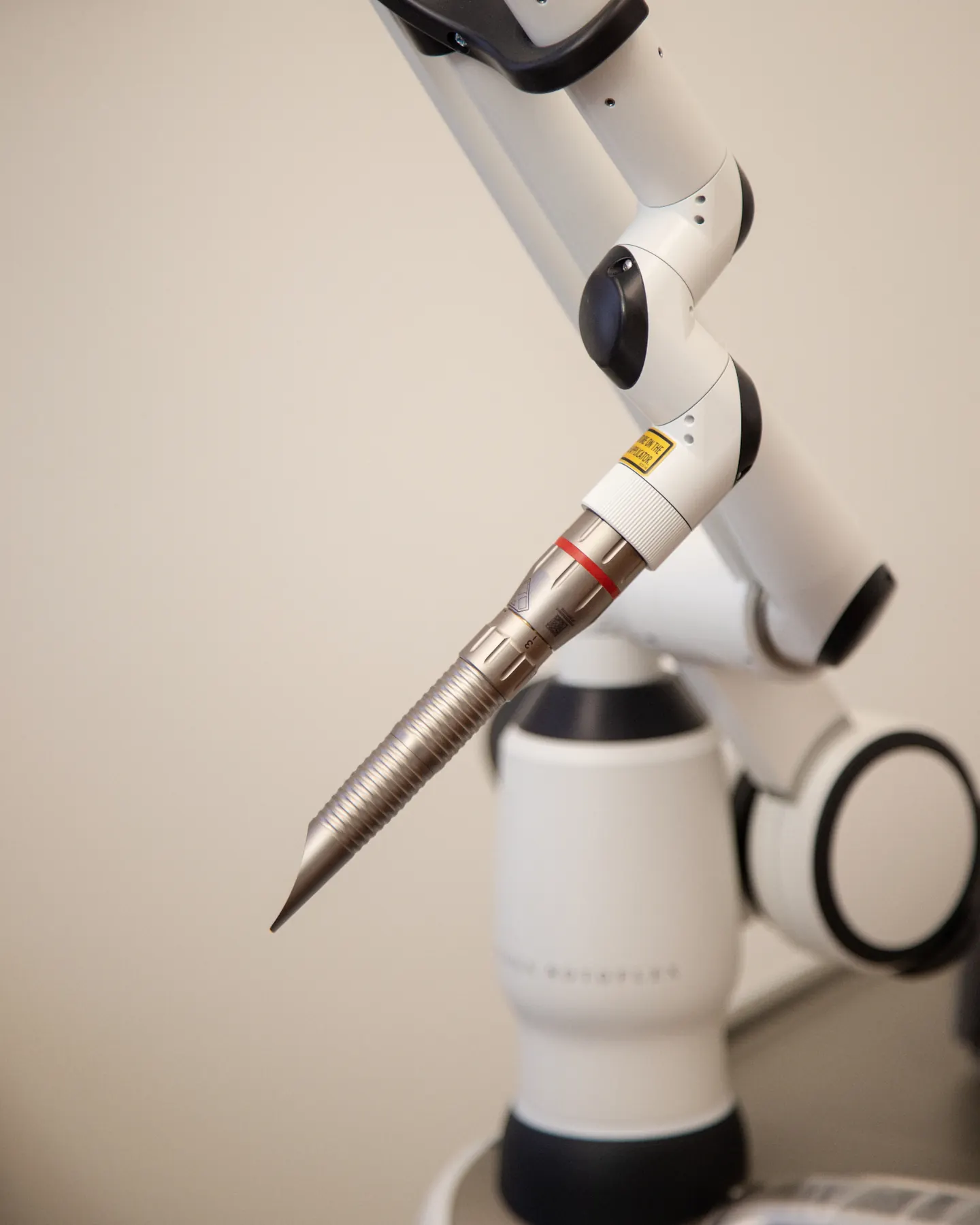
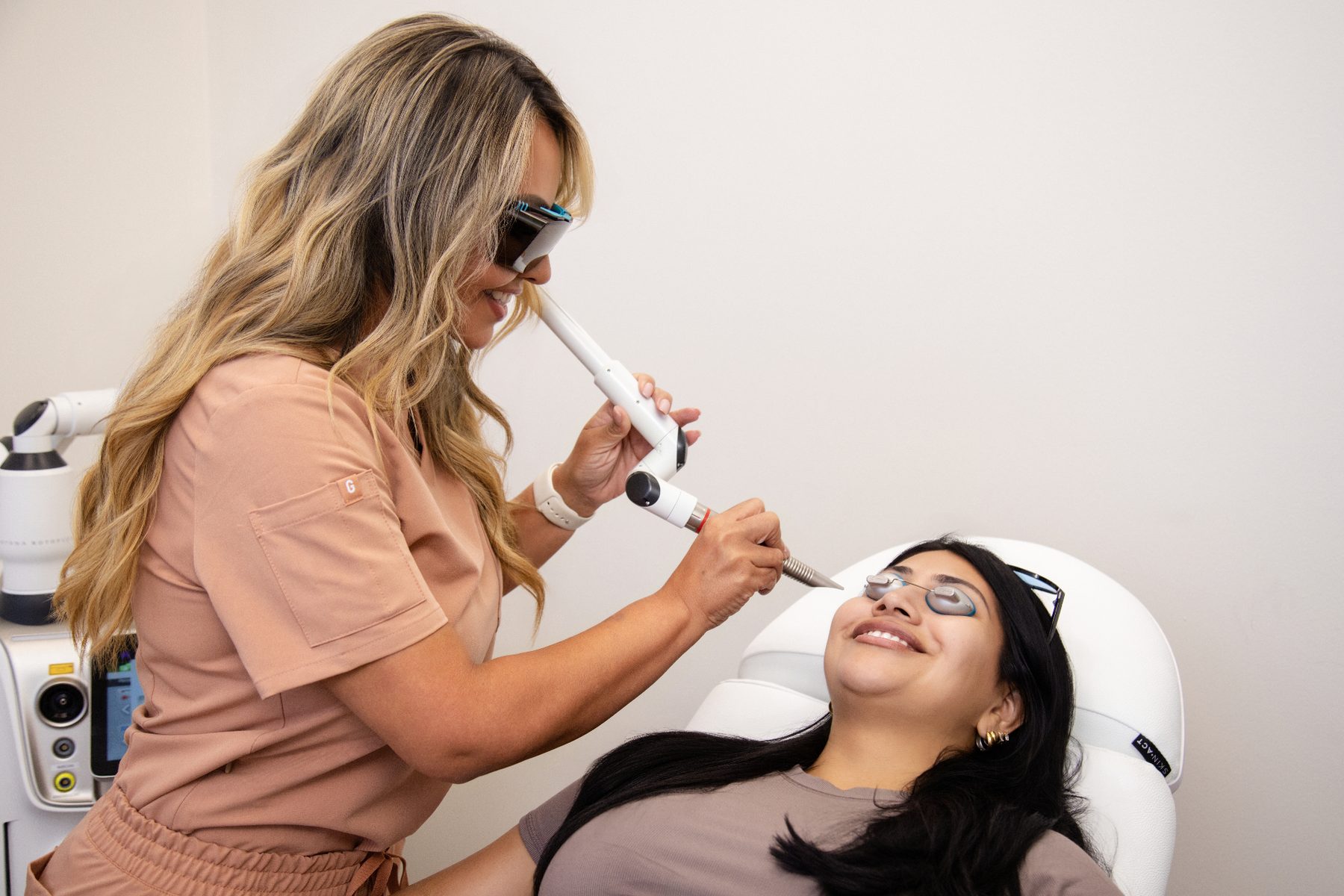
Aesthetic medicine tends to move in cycles. One decade favors aggressive resurfacing with lengthy recovery, the next leans toward injectables and quick fixes, and then the market matures enough to ask for both visible results and reasonable downtime. That is the context in which the Fotona 4D Laser Facial (TimeWalker) has gained real traction. Its rise has not come from novelty alone. It reflects a broader shift in what patients ask for when they sit down in a consultation room: tightening without surgery, smoothing without obvious overcorrection, and improvement that reads as rested rather than treated.
That distinction matters. A patient who wants to look better at work on Monday has different priorities from someone planning a surgical facelift in six months. In everyday practice, many people fall into the first category. They want a fresher jawline, softer smile lines, some lift through the midface, and better skin texture, but they do not want weeks of peeling, crusting, social downtime, or the “what did you have done?” effect. The appeal of the Fotona 4D Laser Facial (TimeWalker) lies in how neatly it speaks to those concerns.
The treatment has also arrived at a moment when patients are more informed than ever, though not always more accurate in their expectations. They come in having seen social media clips, before and after photos, celebrity references, and short-form content that often collapses a nuanced procedure into a single dramatic promise. That makes it even more important to explain why some technologies endure and others fade after a brief spike of attention. TimeWalker has staying power because it addresses several layers of facial aging in a single session, and because skilled providers can tailor it in ways that are clinically sensible rather than one-size-fits-all.
Why this platform has captured attention
The name “4D” can sound like branding shorthand, but the concept behind it is practical. Instead of relying on a single mode of energy delivery, the treatment combines multiple laser steps that target different depths and tissue effects. In experienced hands, that means the session can move from intraoral tightening to superficial textural work in a omniawellnesscenterencino.com Fotona 4D Laser Facial (TimeWalker) logical sequence. Each pass has a purpose. One stimulates deeper collagen remodeling. Another addresses volume loss cues around the nasolabial region from inside the mouth. Another improves surface irregularity and luminosity. The result is not a facelift substitute, but it can create a layered, more coherent improvement than many standalone energy treatments.
Clinicians have gravitated toward it for the same reason patients have. It is versatile. A platform that can be adjusted for a 38-year-old with early laxity is useful. A platform that can also serve a 58-year-old who is not ready for surgery, but needs strategic tightening and textural refinement, is even more useful. Devices survive in aesthetic practice when they fill more than one clinical niche and when outcomes are reproducible enough to justify the cost of ownership and training. Fotona has benefitted from that practical reality.
There is also a subtler reason for its rise. For years, skin rejuvenation conversations were split between “inside” interventions and “outside” interventions. Fillers replaced structure. Lasers improved the surface. Tightening devices sat somewhere in the middle. The Fotona 4D Laser Facial (TimeWalker) gained attention because it blurs those categories in a productive way. It can support tissue tightening, improve dermal quality, and enhance surface polish in one treatment pathway. Patients increasingly appreciate that facial aging is not one problem, so they respond well to treatments designed with that complexity in mind.
What the treatment is actually doing
A proper explanation starts with tissue behavior, not marketing language. Facial aging shows up through collagen depletion, elastin changes, soft tissue descent, repetitive movement lines, uneven pigment, textural roughness, and a gradual dulling of light reflection from the skin. No single laser can perfectly solve all of that. What this treatment does well is stack several moderate interventions so the overall change looks more complete.
The intraoral step is one of the most distinctive elements. Delivering laser energy from inside the mouth targets the mucosal side of the cheek and perioral area. This can stimulate collagen contraction and remodeling in tissue planes that are difficult to access with topical treatments or standard facials. For the right patient, especially someone bothered by smile lines and mild lower face laxity, this portion often explains why the treatment feels different from a conventional resurfacing session.
The subsequent steps work externally, usually combining deeper thermal effects with more superficial rejuvenation. The goal is not to blast the skin into submission. The goal is controlled heating where heating helps, and lighter finishing work where refinement matters. This is why good outcomes tend to look believable. Rather than producing one dramatic change in one narrow parameter, the treatment often creates a general sense that the face appears firmer, smoother, and more refreshed.
That layered logic is one reason it has become a frequent recommendation for patients who say some version of the same thing: “I still look like myself, but I look tired all the time.”
The patient demand behind the trend
The rise of the Fotona 4D Laser Facial (TimeWalker) is not just a story about technology. It is a story about patient behavior. In the last several years, many practices have seen the same shift. Patients still value dramatic results, but they are less willing to accept dramatic downtime. They also want treatments that fit into a broader maintenance strategy. A person may have neuromodulators twice a year, skin treatments quarterly, and perhaps a more intensive collagen-focused procedure annually. TimeWalker fits comfortably into that kind of plan.
It also appeals to a growing middle group in aesthetics. These are not first-time patients looking only for a glow before an event, and they are not necessarily ready for surgery. They are often in their forties, fifties, and early sixties. They understand that creams have limits, they may be selective about fillers, and they want a treatment that supports the skin itself. In consultation, these patients are often less excited by the phrase “instant results” than by hearing “progressive collagen remodeling” and “natural-looking improvement.”
Men have contributed to this growth as well. Many male patients are cautious about any intervention that risks obvious swelling, shape change, or signs of overt treatment. They often respond well to a modality that can improve skin quality and mild laxity while preserving facial character. A stronger jawline, better lower face tone, and reduction in crepey texture can be meaningful outcomes without creating the impression of cosmetic work.
What makes it different from a standard laser facial
The phrase “laser facial” can be misleading because it suggests something in the category of a light lunchtime skin refresh. The Fotona 4D Laser Facial (TimeWalker) sits in a more advanced space than that. It is still non-surgical, but it is not simply a brightening treatment. The distinction becomes obvious in treatment planning.
A standard laser facial often aims at one visible problem, usually surface texture, pigmentation, or mild redness. TimeWalker is designed around tissue tightening and structural support as much as epidermal appearance. That does not mean every session is intense. Settings can be conservative. It does mean the treatment philosophy is deeper and more comprehensive.
This is also where provider skill matters. A rushed “same protocol for everyone” approach tends to flatten the benefits of sophisticated platforms. The best results come from adjusting the sequence and intensity according to anatomy, skin quality, age-related changes, and tolerance for downtime. Someone with etched lines around the mouth needs a different emphasis from someone whose main complaint is mild jowling with relatively smooth skin. A patient with acne scarring may benefit from a more textural focus, while another patient needs collagen stimulation without provoking pigment issues.
What patients can realistically expect
The best consultations around this treatment are precise. Patients should not be told to expect a surgical outcome. They should be told to expect a meaningful non-surgical improvement, especially when the indication is mild to moderate laxity, textural dullness, fine lines, and early volume descent cues. That honesty protects satisfaction.
Some people notice an immediate feeling of tightness and a fresher appearance in the days after treatment. The more important changes tend to unfold over weeks to a few months as collagen remodeling progresses. In practice, patients often report that friends comment that they look well rested without identifying a specific intervention. In aesthetics, that kind of feedback is often the sweet spot.
The areas that tend to show the most appreciated change are the lower face, perioral region, cheeks, and overall skin reflectivity. Fine lines may soften. The face may appear a bit more lifted. Pores and texture can look improved. Makeup often sits better. These are not trivial outcomes. For many patients, especially those who have felt stuck between skincare and surgery, they are exactly the outcomes that matter.
Still, results vary. A 42-year-old with early laxity and decent baseline skin will often respond differently from a 67-year-old with significant skin redundancy, volume loss, and sun damage. The second patient may still benefit, but the conversation has to include limits. Good clinicians do not use advanced energy devices to avoid difficult truths. They use them where the match is appropriate.
Who tends to benefit most
The treatment tends to work best for a recognizable set of concerns:
- mild to moderate skin laxity through the lower face and cheeks
- early to moderate perioral lines and smile fold softening needs
- dull, uneven texture that would benefit from resurfacing support
- patients seeking collagen stimulation with less downtime than aggressive ablative resurfacing
- those wanting a natural-looking refresh rather than a dramatic shape change
That list is broad enough to explain the treatment’s popularity, but narrow enough to show its true role. It is not for every patient, and it should not be sold as one.
The treatment experience in the room
From the patient side, the experience is usually more tolerable than feared and more involved than expected. The intraoral component can feel unusual, especially for people who have never had an energy-based treatment inside the mouth. Good positioning, clear explanation, and paced delivery make a difference. The external stages vary in sensation, often described as warmth, prickling, or quick snapping depending on settings and skin area.
Numbing protocols differ by provider and by treatment intensity. Some patients do well with topical anesthetic and reassurance. Others benefit from a more robust comfort plan, particularly when the session includes stronger resurfacing components. This is one of those practical details that separates polished practices from mediocre ones. Comfort is not a cosmetic extra. It affects motion, tolerance, completion quality, and overall patient perception.
Afterward, many patients have redness and a feeling similar to a moderate sun exposure. Some swell mildly, especially around the mouth and cheeks. Depending on the specific settings used, there may be a sandpapery texture or light flaking over the next several days. Most can return to normal activity fairly quickly, though “no downtime” is not a phrase I would use loosely. Minimal interruption is often fair. Zero visible recovery is not always realistic.
Why providers are adding it to treatment plans
One reason the Fotona 4D Laser Facial (TimeWalker) has risen so quickly is that it plays well with other aesthetic strategies. It does not force a clinic into an all-or-nothing philosophy. Instead, it can sit alongside injectables, medical-grade skincare, microneedling, surgery, and other laser work in a coherent patient journey.
For example, a patient who dislikes filler heaviness but needs lower face support may use TimeWalker as a collagen-first approach and reserve filler for very selective areas. Another patient may undergo the laser series first, then reassess whether neuromodulator or subtle volume replacement is even needed to the same extent. This matters because many patients are becoming more conservative about injectables. They still want rejuvenation, but they are wary of looking overfilled.
From the clinic perspective, treatments that can bridge categories tend to become workhorses. They generate interest among younger prevention-oriented patients and among mature restoration-oriented patients. They can be offered as a series or maintenance. They often produce visible enough changes to encourage adherence without creating the management issues that come with more invasive procedures.
Safety, skin types, and the importance of judgment
No energy device should be treated casually. Although the Fotona 4D Laser Facial (TimeWalker) has a strong place in modern aesthetic care, its success depends on patient selection, settings, operator skill, and aftercare. Risks can include prolonged redness, swelling, irritation, post-inflammatory pigmentation issues, herpes simplex reactivation in susceptible patients, and uneven results if treatment is poorly customized.
Skin type requires particular care. Darker skin tones can absolutely be candidates for laser-based rejuvenation, but the treatment parameters need thoughtful adjustment. This is not the place for aggressive protocol copying. Melanin-rich skin often benefits from a cautious approach that prioritizes safety while still aiming for meaningful collagen stimulation. A practice that routinely treats a wide range of skin tones should be able to explain its rationale clearly and conservatively.
Medical history also matters. Active infection, impaired wound healing, recent isotretinoin use in some contexts, uncontrolled inflammatory skin conditions, and certain photosensitizing medications may alter suitability or timing. Patients sometimes view laser facials as beauty services rather than medical procedures. That mindset is understandable, but incorrect. The most responsible clinics preserve a medical standard in screening, consent, photography, and follow-up.
Where hype tends to outrun reality
Every successful treatment develops a halo of exaggerated claims. TimeWalker is no exception. The most common distortion is the suggestion that one session can replace years of cumulative aging or rival surgery in advanced cases. It cannot. A patient with heavy jowling, substantial platysmal laxity, marked skin redundancy, and significant volume depletion may see some benefit, but not the transformation they would get from a well-executed facelift and adjunctive skin treatments.
Another area of confusion is duration. Results are not permanent in the sense patients often hope. Collagen remodeling helps, but aging continues. Maintenance matters. Depending on age, skin quality, lifestyle factors, sun exposure, and the intensity of the initial course, some patients may do well with periodic repeat sessions. Framing this as maintenance rather than failure is important, because maintenance is normal in aesthetics. Teeth whitening, neuromodulators, skincare, and energy devices all work this way.
There is also a tendency to compress all outcomes into before and after photography. Photos are helpful, but they flatten nuance. The patient may care less about what a still image shows and more about how their skin behaves in daylight, how little concealer they need, or whether their lower face still looks tired at 4 p.m. The rise of this treatment owes a lot to those lived quality-of-life improvements, not just to dramatic image pairs.
Practical pre-care and aftercare
Simple habits can make a noticeable difference in how smoothly the treatment goes and how well the skin settles afterward:
- avoid heavy sun exposure before treatment and use daily broad-spectrum sunscreen
- disclose any history of cold sores, recent procedures, active breakouts, or new medications
- pause irritating topicals such as retinoids or strong acids if your provider advises it
- keep post-treatment skincare bland, hydrating, and non-exfoliating for the recommended period
- do not judge the final result too early, because collagen change takes time
These details sound ordinary, but they influence outcomes more than many patients realize. Good aftercare often means doing less, not more.
The business side of its popularity
Technology does not rise in aesthetic care on clinical merit alone. It rises when clinical merit aligns with consumer demand, provider confidence, and operational feasibility. The Fotona 4D Laser Facial (TimeWalker) benefits from all three. It photographs well for marketing, but it is not dependent on marketing gimmicks. It gives providers enough flexibility to personalize care. And it occupies a pricing tier that many patients perceive as significant, yet still more approachable than surgery.
There is also a trust factor. Patients have become more skeptical of treatments that seem invented purely for social media. Devices and protocols that endure tend to do so because they generate word-of-mouth referrals. That is particularly true in facial aesthetics, where friends notice changes before they ask what caused them. A treatment that quietly improves the skin and lower face without obvious signs of intervention is easy to recommend. That dynamic has played no small role in the growth of TimeWalker offerings across practices.
What its rise says about the future of aesthetics
The popularity of the Fotona 4D Laser Facial (TimeWalker) points toward a broader direction in aesthetic medicine. Patients increasingly want multimodal rejuvenation that respects facial identity. They want clinicians who can explain tissue behavior rather than recite trend language. They want procedures that can be repeated and integrated into a long-term plan. And they are willing to invest when the treatment feels medically sound, not merely fashionable.
That shift favors technologies that are adaptable, layered, and capable of subtle but meaningful results. It also favors providers who understand that rejuvenation is not a single event. It is an ongoing calibration of structure, skin quality, movement, and proportion. TimeWalker fits neatly into that philosophy because it does not try to force one answer onto every face.
Its rise, then, is less surprising than it first appears. Aesthetic care has been moving toward combination thinking for years. The treatments gaining the most respect are the ones that can tighten a little, refine a little, stimulate a little, and do all of that without pushing patients into an obvious recovery or obvious new identity. When a laser platform can help deliver that balance, it earns more than attention. It earns a place in routine practice.
For the right patient, that place is well deserved.
OMNIA Wellness Center
Address: 16430 Ventura Blvd Ste 207, Encino, CA 91436
Phone: (818) 386-8511
FAQ About Fotona 4D Laser Facial (TimeWalker)
What are the benefits of Fotona laser treatment?
OMNIA offers this treatment for concerns such as uneven texture, dull tone, and fine lines. Results and the number of sessions vary, so discuss your goals with a provider.
Is Fotona laser safe?
A qualified provider should review your skin, medical history, medications, and recent sun exposure to determine whether the treatment is appropriate. Ask about possible irritation, pigment changes, and aftercare before booking.
How much does a Fotona 4D facelift cost?
Price depends on the treatment plan and number of visits. Ask OMNIA for an itemized estimate during your consultation.