How Fotona Laser Treatments in Encino, CA Help You Look Refreshed
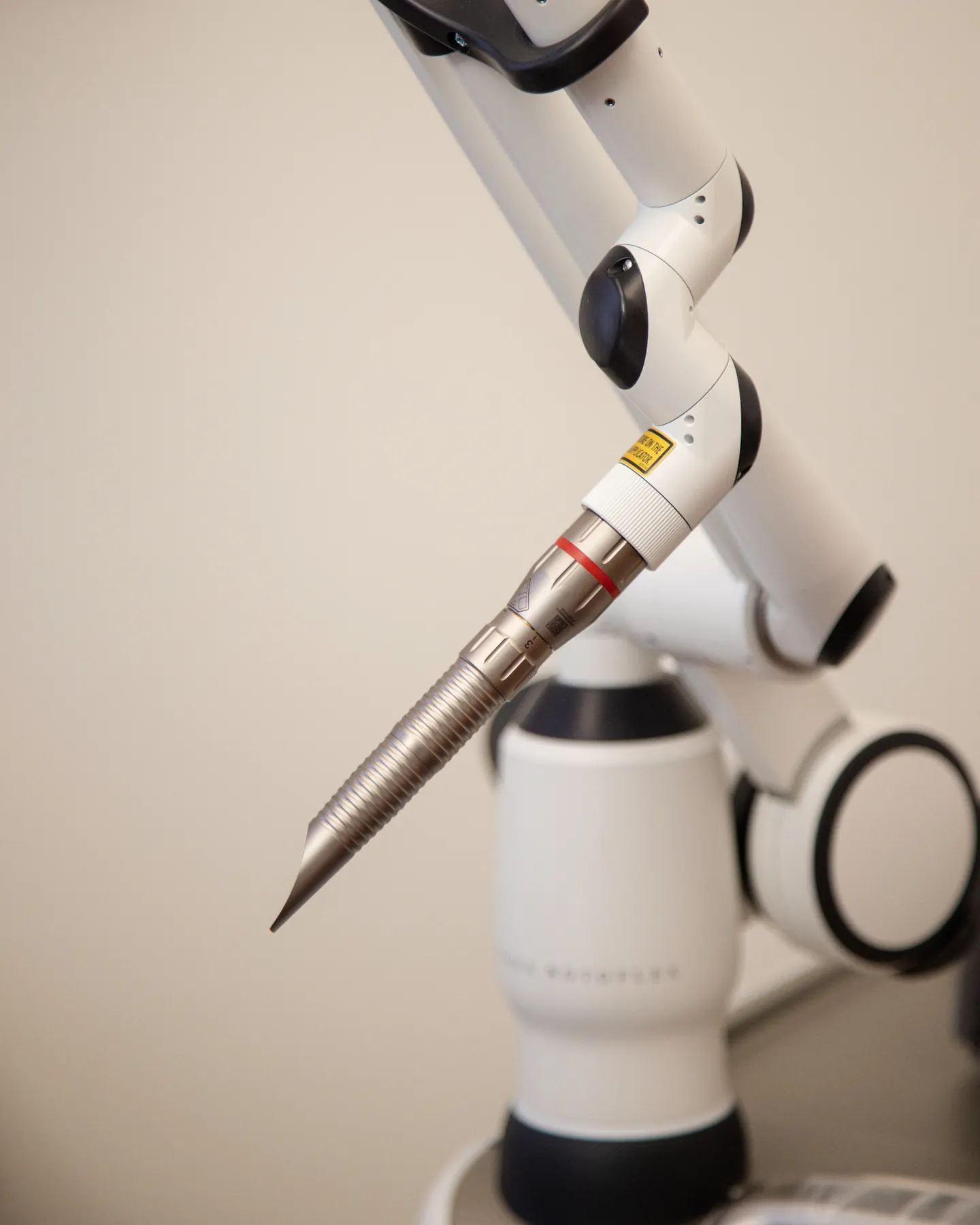
Looking refreshed is not always about looking dramatically different. For most patients, it is more subtle than that. They want their skin to look smoother in daylight, not just under flattering bathroom lighting. They want makeup to sit better. They want the under-eye area to look less tired on video calls. They want to soften the signs of stress, sun exposure, or the gradual skin laxity that tends to show up first around the eyes, mouth, jawline, and neck.
That is where Fotona laser technology has earned so much attention. In a place like Encino, where people tend to value polished but natural-looking results, Fotona treatments fit the goal well. They are often chosen by patients who are not ready for surgery, do not want long downtime, and care more about looking rested than looking “done.”
The phrase Fotona Laser Treatments Encino, CA covers a range of treatments rather than one single procedure. Fotona systems can be used for resurfacing, collagen stimulation, skin tightening, pigmentation concerns, acne scarring, vascular irregularities, and even certain intraoral tightening treatments designed to support the lower face. The benefit is versatility. The challenge is that patients sometimes assume every Fotona treatment does the same thing. It does not. Settings, wavelengths, depth, and treatment goals matter.
Why Fotona stands out
A lot of technologies promise rejuvenation. Some are genuinely useful. Some are heavily marketed and poorly understood by patients. Fotona has built a solid reputation because it allows experienced providers to customize treatment depth and intensity with precision. That flexibility matters in real practice.
In plain terms, Fotona lasers can be used to gently heat tissue, stimulate collagen, improve texture, and target visible signs of aging without requiring the kind of recovery associated with deeper ablative procedures. Depending on the treatment plan, a patient may come in for a lunchtime session with mild redness and go back to normal routines quickly, or choose a more intensive resurfacing approach that involves a few days of social downtime.
That range is important because “refreshed” means different things to different people. A 34-year-old with early crepey texture around the eyes does not need the same treatment as a 58-year-old with etched lines around the mouth, sun damage, and noticeable lower-face laxity. Good laser work starts with matching the tool to the tissue and the patient’s tolerance for downtime.
The refreshed look patients are actually asking for
Patients rarely walk into a consultation and say, “I want collagen remodeling in the superficial and mid dermis.” They say things like, “I look tired,” “my skin seems dull,” or “I feel like my face has started to slide.” Sometimes they point to lines, but just as often they are reacting to overall quality. Skin that reflects light evenly looks healthier. A tighter lower face looks more alert. Softer crow’s feet can make a person look better rested even if the rest of the face is unchanged.
Fotona can help create that refreshed effect in a few key ways. First, it can improve texture and tone, which often makes the biggest visual difference in everyday life. Second, it can stimulate collagen, which gradually improves firmness. Third, it can be used in delicate areas where patients commonly notice aging first, including around the eyes and mouth. Finally, because many Fotona treatments are non-surgical, they appeal to people who want progress without a major interruption to work, family life, or social plans.
In Encino, that practical angle matters. Many patients want treatment that fits around demanding schedules. They are not looking for a dramatic reveal and two weeks off the calendar. They want something they can maintain over time.
What Fotona can treat most effectively
One reason this platform remains popular is that it addresses several of the complaints that tend to make a face look tired or older than it feels.
- Fine lines and early wrinkles, especially around the eyes and mouth
- Mild to moderate skin laxity in the face, neck, or jawline
- Uneven texture, enlarged pores, and certain acne scars
- Sun damage and pigment irregularities, depending on skin type and settings
- Dull skin tone that no longer bounces back the way it used to
Even within those categories, the treatment approach varies. A patient with rough texture and sun damage may benefit from resurfacing. Another with mild lower-face sagging may be a better fit for a collagen-stimulating tightening protocol. Someone with under-eye crepiness might need lower-energy passes in a smaller treatment zone rather than aggressive full-face resurfacing.
This is one of those areas where experience matters more than marketing language. Two offices may both advertise Fotona, but the consultation, treatment design, and expected outcomes can be very different.
The technology behind the results, without the jargon overload
Fotona systems are known for using different laser wavelengths, most commonly Er:YAG and Nd:YAG, each with specific uses. The Er:YAG wavelength is often associated with resurfacing and precise ablation of the skin’s outer layers. That makes it useful when the goal is to improve texture, fine lines, or superficial damage. Nd:YAG is often used for deeper heating and collagen stimulation, as well as certain vascular or tightening applications.
The reason patients should care about this is simple. A refreshed appearance usually comes from a combination of surface improvement and structural support. Smoother skin alone helps, but if the deeper tissue is also encouraged to contract and remodel, the result tends to look more complete.
Think of it like ironing a shirt while also tailoring the fit slightly. One improves the surface. The other improves the shape. When both are done thoughtfully, the overall impression is cleaner and more youthful, but still natural.
SmoothEye, lip rejuvenation, and the small-area treatments that make a big difference
Some of the most satisfying laser results come from small, strategic areas. The eye area is a classic example. Even subtle crepiness, fine wrinkling, or skin laxity around the lower lids can make a person look worn out. Fotona protocols designed for this region can improve skin quality without the recovery associated with surgery. Not every patient will get a dramatic lift, and not every eye concern is a laser issue, but when the problem is mostly skin texture and mild laxity, the difference can be meaningful.
Around the mouth, the same principle applies. Vertical lip lines, rough texture, and age-related thinning of the surrounding skin can make lipstick feather or settle unevenly. Laser rejuvenation in this area can soften those etched details and give the lips a more polished frame. It does not replace filler when volume loss is the main issue, but it often complements other treatments well.
These smaller treatments tend to be underappreciated until patients see the before-and-after progression. The face reads as more rested when high-movement areas are less creased and more even in texture.
Full-face rejuvenation and the “you look well” effect
When people say someone looks refreshed, they are usually responding to overall harmony rather than one corrected flaw. Better skin texture, fewer fine lines, a little more firmness through the cheeks and jawline, less crepiness around the eyes, and a brighter tone together create that effect.
Fotona is well suited to this kind of layered rejuvenation because providers can combine modes and treatment depths in the same overall plan. Some patients start with a series of gentler treatments that build over time. Others choose a stronger resurfacing session with more visible downtime in exchange for faster textural improvement. There is no single best path for everyone.
In practice, the most predictable outcomes often come from patients who understand that collagen remodeling is gradual. You might leave the office with some immediate tightness from tissue contraction and mild swelling, but the more meaningful change usually develops over weeks to months as the skin rebuilds. This is where expectations need to be realistic. Laser treatment can make you look fresher, smoother, and more awake. It does not stop aging, and it does not replicate the result of surgery when laxity is advanced.
How treatment feels and what recovery is really like
Patients usually want to know two things right away: does it hurt, and how long will I look like I had something done?
The answer depends on treatment intensity. Milder Fotona sessions often feel warm, prickly, or snappy, with tolerable discomfort that can be managed using topical numbing, cooling, or both. More intensive resurfacing can feel significantly stronger and may require a more robust comfort plan. During consultation, the provider should be clear about what level of treatment is being proposed. “Laser” is too broad a word to be useful on its own.
Recovery also varies. A light tightening session may leave the skin pink for a day or so, with minor swelling and a dry feel. A stronger resurfacing treatment may involve several days of redness, bronzing, rough texture, or flaking. In some cases, patients look worse before they look better, which is normal but worth planning for.
Here is where judgment matters. Some people say they want the strongest treatment possible, then become distressed by three days of visible redness. Others are perfectly comfortable with a week of healing if it means fewer sessions. The best treatment is not the most aggressive one. It is the one the patient can realistically tolerate, recover from, and maintain.
Who tends to be a good candidate
Good candidates are usually people with mild to moderate signs of aging, textural concerns, or early laxity who want visible improvement without surgery. They understand that several sessions may be recommended, especially for non-ablative or lower-downtime treatment plans. They are also willing to protect their investment with sun protection and sensible skincare afterward.
Skin type matters. So does medical history. Active infections, certain inflammatory skin conditions, recent tanning, some medications, and a history of abnormal scarring can all influence candidacy or timing. Pigmentation risk also has to be considered carefully, particularly in patients with darker skin tones or anyone prone to post-inflammatory hyperpigmentation. That does not automatically rule treatment out, but it does change how a thoughtful provider approaches settings, pretreatment, and aftercare.
A strong consultation should include more than a quick glance at the skin. It should cover health history, prior procedures, current products, lifestyle factors, and the patient’s actual priorities. Sometimes a person comes in asking for laser tightening but would benefit more from a different treatment entirely, or from combining modalities.
Where Fotona fits compared with other options
Patients often compare Fotona to microneedling, radiofrequency devices, intense pulsed light, chemical peels, or surgery. That comparison is fair, but it needs nuance.
Microneedling can be excellent for mild textural issues and some acne scars, especially when a patient wants minimal downtime. Radiofrequency treatments can be helpful for laxity and collagen stimulation. IPL is often chosen for visible redness and pigment in appropriate skin types. Surgery remains the gold standard for significant tissue descent and excess skin.
Fotona sits in the middle in a useful way. It can do more than many superficial treatments, especially omniawellnesscenterencino.com Fotona Laser Treatments Encino, CA when resurfacing and tightening are combined, but it is still not a facelift. For the right patient, that is exactly the appeal. They are not trying to reverse twenty years at once. They are trying to look less fatigued, more polished, and more like themselves on a good day.
Why provider skill matters as much as the device
A sophisticated laser does not guarantee sophisticated treatment. This is especially true in aesthetic medicine, where the same machine can produce excellent results in one office and disappointing or overly aggressive results in another.
The provider has to judge skin thickness, degree of laxity, pigment behavior, healing tendencies, and facial balance. They need to know when to treat conservatively, when to stage treatment over time, and when to say no. That last part matters more than patients realize. Not every concern should be treated with laser, and not every patient is a candidate for the same settings just because they saw an appealing photo online.
When people search for Fotona Laser Treatments Encino, CA, they should be evaluating more than convenience. It is worth asking how often the provider performs the specific treatment being recommended, what kind of recovery is typical in their hands, what results are realistic for your skin and age, and whether before-and-after examples reflect patients with similar concerns.
What to ask at a consultation
A good consultation leaves you better informed, not rushed. If you are exploring Fotona treatment, ask practical questions that reveal how personalized the plan really is.
- Which Fotona treatment or protocol are you recommending for my specific concerns?
- How many sessions do you expect I will need, and over what time frame?
- What will I likely look like on day one, day three, and day seven after treatment?
- What are the main risks for my skin type, especially pigment changes or prolonged redness?
- If laser is not the best option for me, what would you recommend instead?
Notice that these questions are not about hype. They are about fit, expectations, and recovery. Those are the issues that shape satisfaction.
The role of maintenance
One of the biggest misconceptions in cosmetic dermatology and aesthetic medicine is that a single treatment should permanently solve age-related change. Skin does not work that way. Collagen responds, then life continues. Sun exposure, stress, sleep habits, hormones, and plain aging all keep moving.
Patients who look consistently refreshed usually take the long view. They may start with a corrective series, then maintain with periodic touch-up treatments. They use sunscreen regularly. They keep their skincare simple and evidence-based instead of constantly switching products. They understand that subtle maintenance often looks better than chasing dramatic correction after years of neglect.
In real practice, the happiest laser patients are often the ones who commit to the process rather than expecting a miracle from one appointment.
A realistic picture of results
Results from Fotona can be impressive, but they are best appreciated with a realistic lens. Fine lines may soften, not vanish. Mild laxity may improve, not disappear. Texture can become smoother, pores less noticeable, skin tone brighter, and the under-eye area less crepey. Friends may comment that you look rested or ask whether you changed your skincare. That is often the sweet spot.
When treatment is done well, the face still looks like your face. You just look less depleted. That is what many patients in Encino are after, especially those who want to maintain a professional appearance, stay camera-ready, or simply feel more aligned with how energetic they actually feel.
The Encino factor
Encino patients tend to be informed, busy, and fairly discerning. They often come in after reading extensively, trying skincare for years, or seeing friends go through different devices and procedures. They usually do not want trends for the sake of trends. They want a treatment that makes sense for their age, schedule, and lifestyle.
Fotona works well in that setting because it can be conservative or more corrective depending on need. Someone in their late thirties may use it to stay ahead of skin laxity and textural changes. Someone in their fifties may use it to freshen the face between more involved treatments or because they prefer to avoid surgery altogether. Someone preparing for a wedding, reunion, or professional milestone may choose it to improve skin quality with a plan tailored around timing.
The key is not the zip code alone. It is the mindset. People want refinement, not reinvention.
Looking refreshed without looking altered
There is a reason the best aesthetic outcomes are often hard to identify. The skin looks healthier. The face looks softer and a little firmer. The tired quality is dialed down. Nothing about the person seems artificial or overworked.
That is where Fotona can shine. Used thoughtfully, it supports the kind of improvement that other people register as vitality. You look like you slept well, took a break, or started taking better care of yourself. Most patients prefer that reaction over, “What did you have done?”
For anyone considering Fotona Laser Treatments Encino, CA, the most important step is a careful consultation with a provider who understands both the technology and the limits of the technology. The right treatment plan should feel specific to your skin, your goals, and your tolerance for recovery. When that fit is right, Fotona can be a practical and elegant way to look refreshed, not transformed, just more like yourself on your best day.
OMNIA Wellness Center
Address: 16430 Ventura Blvd Ste 207, Encino, CA 91436
Phone number: +18183868511
FAQ About Fotona Laser Treatments Encino, CA
What is a Fotona laser good for?
A Fotona Laser system is a versatile, dual-wavelength medical laser used primarily for non-surgical skin tightening, anti-aging rejuvenation, and dermatological treatments.
How much does the Fotona laser cost?
The cost of a Fotona laser depends heavily on whether you are looking to purchase a laser machine for a medical practice or are a patient seeking a laser treatment at a medspa.
Is a Fotona laser worth it?
A Fotona laser treatment is generally worth it if you want non-surgical skin tightening, improved texture, and collagen stimulation with very little downtime.