How Fotona Laser Treatments in Encino, CA Address Common Skin Concerns

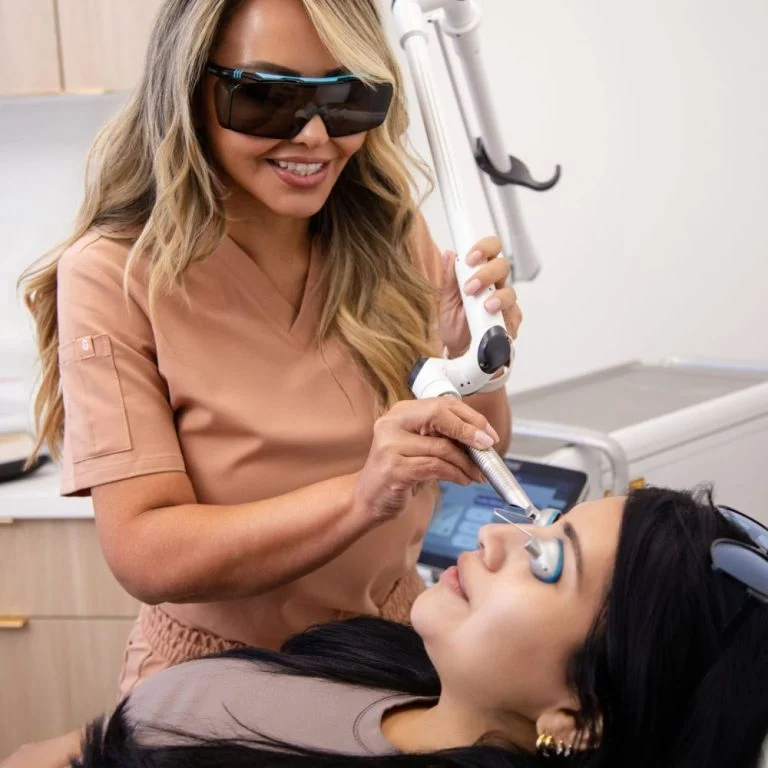
Healthy skin rarely comes down to one issue. Most people who walk into a cosmetic practice are not dealing with a single, isolated complaint. They may be bothered by acne scars that catch the light, redness around the nose, fine lines that make them look tired, or uneven tone that no topical product seems to fully correct. Often, it is a mix of texture, pigment, laxity, and visible aging that pushes someone to finally explore treatment.
That is where laser technology becomes especially useful. A well-chosen laser can do what creams, peels, and facials often cannot, which is reach specific layers of the skin with precision. Among the platforms that consistently come up in aesthetic medicine, Fotona has earned attention for being unusually versatile. In practices that offer Fotona Laser Treatments Encino, CA patients often appreciate that one system can be tailored to several different concerns rather than forcing every patient into the same protocol.
The value is not just in the brand name. It comes from how the technology is used, how settings are adjusted for skin type and concern, and how realistic expectations are set from the beginning. Laser treatment is not magic. It is a tool, and in experienced hands it can be an effective one.
Why Fotona stands out in aesthetic skin care
Fotona is known for using two wavelengths that allow providers to treat both superficial and deeper issues. That matters because skin concerns do not all live at the same depth. Pigment irregularities and rough texture can sit closer to the surface, while collagen loss, acne scarring, and laxity involve deeper structural changes.
This flexibility gives providers room to customize. A patient in Encino with sun damage from years of outdoor exposure may need a very different approach than someone in their thirties who wants to soften early lines and improve skin tone with minimal downtime. The technology can be adapted for resurfacing, tightening, vascular concerns, scar revision, and rejuvenation.
That kind of range is especially relevant in Southern California. The Encino area has a patient population that is often active, sun exposed, and interested in natural-looking results rather than obvious intervention. Many people are not looking to disappear for two weeks after a treatment. They want improvement they can build on while staying visible at work, at school pickup, or in social settings. Fotona treatments can be planned with that reality in mind.
Addressing fine lines and crepey texture
Fine lines usually show up first in places where skin moves constantly and has less structural support. Around the eyes, around the mouth, and across the cheeks, subtle thinning and collagen loss create a texture that makeup tends to emphasize instead of hide. Patients often describe this stage as looking "worn out" even when they feel fine.
Fotona can improve these early aging changes by stimulating collagen remodeling and gently resurfacing the skin. Depending on the settings used, treatment may remove damaged outer layers, heat deeper tissue to promote repair, or do some combination of both. The goal is not to stretch the skin flat. It is to improve quality so the skin reflects light more evenly and feels smoother.
This distinction matters. Good rejuvenation should not erase expression. It should help the skin recover some of what time and sun exposure have gradually reduced. In practice, the most satisfied patients are usually those who want to look fresher, not different.
For fine lines, treatment often works best as a series rather than a one-time event. Some improvement can appear once superficial damage is removed, but collagen response builds over weeks and months. A provider who is being honest will usually frame this as a process. Skin remodeling takes time, and the pace varies with age, skin health, and lifestyle factors such as smoking or heavy UV exposure.
Helping with acne scars and uneven texture
Acne may be gone, but the scars often linger far longer than the breakouts themselves. Rolling scars, shallow boxcar scars, and generalized textural irregularities can make skin look rough even when it is otherwise healthy. This is one of the concerns where patients tend to feel especially frustrated, because over-the-counter products have very limited reach.
Laser resurfacing and collagen stimulation can make a meaningful difference here. Fotona treatments work by creating controlled thermal injury that encourages the skin to repair itself in a more organized way. Over time, depressed scars can soften, texture can even out, and the contrast between scarred and unaffected skin can become less noticeable.
There are some important nuances. Deep, sharply edged scars usually require more than one modality. A patient may benefit from laser treatment, but also from subcision, microneedling, or fillers depending on scar type. The best outcomes come from matching the treatment plan to the actual anatomy of the scar rather than assuming one device will solve everything.
This is also an area where patience matters. Acne scars rarely disappear completely. Improvement is the realistic goal, often in the range of smoother texture, softer edges, and better overall blending. Many patients are very happy with that level of change once they understand what is achievable. When expectations are handled well, laser treatment for acne scars can be one of the most rewarding categories in aesthetic dermatology.
Improving sun damage and uneven tone
In Encino, sun exposure is not an occasional event. It is part of daily life. Even people who are careful now may be dealing with years of cumulative damage from driving, hiking, sports, or simply living in a bright climate. The result often shows up as rough patches, uneven pigmentation, dullness, and a general loss of clarity in the skin.
Fotona can target these concerns by resurfacing damaged skin and encouraging healthier turnover. Patients often notice that after treatment, skin looks less blotchy and feels more refined. Brown spots may lighten, superficial roughness may diminish, and the overall tone can appear more uniform.
Not every type of pigmentation should be treated aggressively with the same settings, though. This is one of the most important judgment calls in laser medicine. Some pigment is sun induced and responds well. Other pigment, especially melasma, can be unpredictable and may worsen with too much heat. Providers need to know the difference. A rushed consultation that treats all discoloration as if it were identical can lead to disappointment.
For that reason, a thoughtful assessment before treatment is essential. Skin type, tanning habits, hormonal history, previous reactions, and current skin care all influence the plan. In a place like Encino, where many patients have active lifestyles and varying complexions, customization is not Fotona Laser Treatments Encino, CA optional. It is the entire job.
Reducing mild laxity without surgery
One of the most appealing uses of Fotona is non-surgical tightening. Patients who are not ready for a facelift, or who simply do not need one, often want help with early sagging around the jawline, lower face, neck, or under-eye area. They may not have enough laxity to justify surgery, but they can see that the skin no longer snaps back the way it used to.
Laser tightening works by heating tissue in a controlled way that stimulates collagen contraction and long-term remodeling. The immediate effect may be subtle, but skin can gradually look firmer over the following months. This can be especially useful for patients in their late thirties through fifties who want preventive or moderate correction.
The key phrase here is "mild to moderate." Laser tightening can improve skin quality and contour, but it does not remove excess skin. When laxity is significant, surgery still gives the most dramatic result. The role of Fotona is to bridge the gap between skin care products and surgery. For the right patient, that can be exactly enough.
This is one of the reasons Fotona Laser Treatments Encino, CA practices attract patients who want practical options. Many are not chasing an extreme transformation. They want to maintain a polished, rested appearance with treatments that respect their features and fit their schedule.
Softening redness and visible vessels
Redness can be one of the more stubborn cosmetic concerns because it often returns if the underlying triggers remain. Flushing, broken capillaries around the nose, and diffuse facial redness can all make the complexion look irritated or uneven. Even when the skin is smooth, redness can create the impression of inflammation or sensitivity.
Certain Fotona settings can help reduce vascular visibility by targeting blood vessels with light energy. Small superficial vessels may fade, and overall redness may lessen over a series of treatments. This can be helpful for patients with sun-related capillaries, rosacea-associated visible vessels, or persistent redness in localized areas.
That said, redness is not one-size-fits-all. True rosacea is a chronic condition with medical and cosmetic dimensions. Laser can improve the visible signs, but many patients also need trigger management, skin barrier support, and sometimes prescription therapy. A provider should be candid about that. Cosmetic treatment can be part of a larger management plan, not a substitute for understanding the condition.
Why the consultation matters as much as the laser
When people talk about lasers, they often focus on the device itself. In real practice, outcomes depend just as much on the consultation. The provider needs to determine what is actually bothering the patient, what the skin can safely tolerate, and what combination of treatments makes sense.
A patient may ask for help with wrinkles, but what really ages their face is redness and textural roughness. Another may come in for dark spots, but the bigger issue is laxity that no pigment treatment will solve. Good treatment planning means seeing the difference between the symptom a patient names and the pattern the skin is showing.
It also means screening for factors that affect healing. Recent tanning, active acne flares, cold sore history, certain medications, and irritation from strong retinoids can all change timing or post-treatment care. These details are not minor. They are often what separate a smooth recovery from an avoidable complication.
In experienced hands, the consultation is where expectations become realistic. Some patients need one focused session. Others do better with a staged plan that treats texture first, then vessels, then maintenance. The most trustworthy recommendations are rarely the most flashy. They are the ones that take skin biology seriously.
What treatment and recovery usually feel like
One reason patients are often interested in Fotona is that treatment intensity can be adjusted. Some sessions are relatively light and involve mild redness for a day or two. Others are more aggressive, especially resurfacing treatments, and can require several Fotona Laser Treatments Encino, CA days of noticeable downtime.
Most people describe treatment as tolerable rather than pleasant. There may be warmth, snapping sensations, or a prickly heat depending on the area and settings used. Topical numbing is often enough, though stronger resurfacing may call for additional comfort measures.
Afterward, the skin may feel warm, tight, or sunburned. Redness is common. With more intensive resurfacing, swelling and peeling are part of the expected recovery. This is not necessarily a bad sign. Controlled healing is how the improvement happens. Still, patients need to plan around it honestly. If someone has a major event in three days, that is probably not the moment for an aggressive resurfacing session.
The recovery period is also where discipline matters. Sun avoidance, gentle cleansing, moisturization, and using only approved products can make a visible difference in both comfort and results. Too many patients undermine good treatment by resuming active products too quickly or treating post-laser skin as if it were normal skin. It is not. For several days, sometimes longer, it needs protection and patience.
The role of maintenance and combination care
Laser treatment can reset the skin, but it does not stop time. Collagen continues to change. Sun exposure continues. Hormones, stress, and environment continue to leave their mark. Patients who maintain results best are usually those who pair procedures with daily skin care and periodic maintenance.
This does not have to mean an elaborate regimen. Usually the basics matter most: diligent sunscreen, a barrier-supportive moisturizer, and targeted ingredients that match the person’s skin needs. Some patients do well adding retinoids, antioxidants, or pigment-managing products once healing is complete. Others need a simpler plan because their skin runs sensitive.
Combination care often produces the most natural-looking outcomes. Laser may address texture and tone, while neuromodulators soften dynamic lines, injectable fillers restore selective volume, and medical-grade skin care prolongs gains. None of these treatments should be viewed in isolation. The face is not experienced as isolated problems, and treatment works best when approached as a whole.
Who tends to be a strong candidate
Good candidates are not defined only by age. They are defined by skin goals, health, and expectations. Someone with early sun damage, mild laxity, textural roughness, or acne scarring may be an excellent fit. Someone who expects one treatment to create surgery-level results is not, at least not until expectations are recalibrated.
Skin tone also influences planning. Many laser treatments can be performed safely across a range of complexions, but settings and timing must be chosen carefully to reduce the risk of post-inflammatory hyperpigmentation. This is another reason expertise matters. A conservative, customized approach usually serves patients better than an aggressive one-size-fits-all session.
Patients who protect their skin after treatment generally do best. It sounds obvious, but it is a real factor. Spending money on resurfacing while continuing frequent unprotected sun exposure is like repainting a surface and leaving it uncovered in the weather. The investment only holds if the aftercare habits support it.
A realistic view of results
The best laser results often look subtle in the mirror but significant over time. Skin appears smoother. Makeup sits better. Pores look less obvious. Lines do not catch as sharply. Redness no longer dominates the complexion. Friends may say someone looks rested without being able to name why.
That is often the sweet spot. Cosmetic medicine tends to work best when improvements register as healthy, not altered.
For patients considering Fotona Laser Treatments Encino, CA offers a context where these treatments make practical sense. A sun-heavy environment creates common concerns that lasers are well suited to address, from visible damage and uneven texture to early laxity and residual acne scarring. The technology is strong, but technology alone is not the story. The real difference comes from careful evaluation, sound judgment, and a treatment plan built around the person rather than the device.
When those pieces line up, Fotona can be an effective option for people who want clearer, smoother, firmer-looking skin without defaulting to surgery. Not every concern disappears, and not every patient needs the same intensity. But for many common skin complaints, it offers a credible middle ground between topical maintenance and more invasive procedures. That is why it remains a meaningful part of modern aesthetic care.
OMNIA Wellness Center
Address: 16430 Ventura Blvd Ste 207, Encino, CA 91436
Phone number: +18183868511
FAQ About Fotona Laser Treatments Encino, CA
What is a Fotona laser good for?
A Fotona Laser system is a versatile, dual-wavelength medical laser used primarily for non-surgical skin tightening, anti-aging rejuvenation, and dermatological treatments.
How much does the Fotona laser cost?
The cost of a Fotona laser depends heavily on whether you are looking to purchase a laser machine for a medical practice or are a patient seeking a laser treatment at a medspa.
Is a Fotona laser worth it?
A Fotona laser treatment is generally worth it if you want non-surgical skin tightening, improved texture, and collagen stimulation with very little downtime.