Fotona Laser Treatments in Encino, CA: What Patients Often Ask

Patients who ask about Fotona laser treatments are usually not starting from zero. Most have already spent time reading about resurfacing, tightening, acne scars, pigmentation, snoring treatments, vaginal rejuvenation, or non-surgical facial rejuvenation. By the time they schedule a consultation, they tend to arrive with a mix of curiosity and caution. They want to know what the treatment actually feels like, whether the downtime is manageable, and if the results will look natural on their face, their skin tone, and their schedule.
That is especially true in Encino, where people often want visible improvement without looking overdone. They may need to be back at work quickly, attend social events, or simply avoid a treatment that leaves them hiding at home for a week. Fotona systems appeal to that kind of patient because they can be used in different ways, at different depths, for different goals. That flexibility is a strength, but it also creates confusion. “Fotona” is not one single treatment. It is a laser platform, and the settings, handpieces, and treatment approach matter just as much as the brand name.
Here are the questions patients most often ask when discussing Fotona Laser Treatments Encino, CA, along with the practical answers that tend to matter most in a real consultation.
What exactly is Fotona, and why do practices use it for so many different concerns?
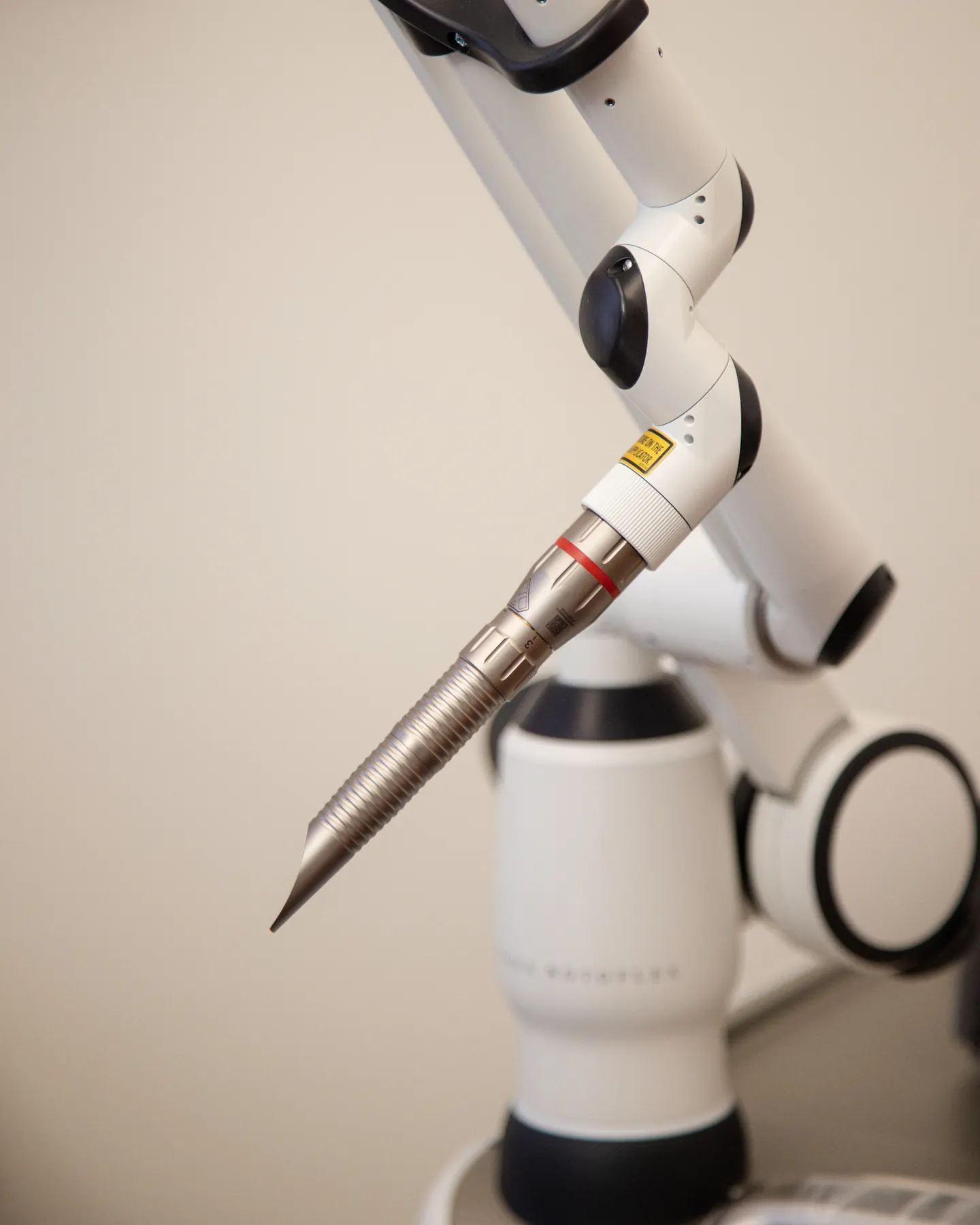
Fotona is a medical laser platform, not a one-size-fits-all procedure. Depending on the device configuration and treatment settings, it can be used for skin resurfacing, collagen stimulation, texture improvement, acne scar treatment, wrinkle reduction, skin tightening, vascular concerns, and certain wellness applications. Many systems are built around Er:YAG and Nd:YAG wavelengths, each serving different purposes in the skin and deeper tissue.
That is where a lot of the misunderstanding starts. A patient may hear that a friend had “Fotona” and loved it, but the friend’s treatment might have been a gentle lunchtime tightening session while the patient is considering a more intensive resurfacing plan. Same platform, different experience.
In practice, what makes Fotona appealing is control. A skilled provider can tailor treatment intensity more precisely than many patients expect. Someone with early textural changes and mild laxity may need a much lighter approach than someone dealing with etched-in lines around the mouth or longstanding acne scarring. The best consultations spend less time praising the machine and more time matching the settings to the skin in front of them.
Is Fotona good for all skin types?
This is one of the most important questions, and it deserves a careful answer rather than a quick yes.
Some Fotona treatments can work well across a range of skin types, but not every setting is appropriate for every patient. That distinction matters. Darker skin tones can carry a higher risk of post-inflammatory hyperpigmentation after certain laser procedures, especially when heat or ablation is involved. That does not automatically rule out treatment, but it changes the plan. Pretreatment skin conditioning, test spots, conservative settings, and realistic timing become more important.
Patients with melasma also need special caution. Lasers do not always behave kindly with melasma-prone skin. In some cases, treatment can aggravate pigment instead of improving it. A provider with experience will not promise that every brown spot can be Fotona Laser Treatments Encino, CA erased safely. They will separate sun damage, freckles, lentigines, and melasma because those are not all the same problem, and they do not respond the same way.
When patients ask whether they are “a candidate,” the honest answer often comes down to three things: skin type, the condition being treated, and how much downtime they can tolerate. The platform may be versatile, but good laser medicine still depends on judgment.
What concerns does Fotona usually treat best?
Patients often come in asking for one thing and leave realizing the real issue is slightly different. A person may say they want to remove wrinkles, but what bothers them is actually crepey texture under the eyes. Another may ask for scar treatment when the more visible concern is diffuse redness and uneven texture.
In day-to-day practice, Fotona is often considered for concerns like fine lines, superficial to moderate acne scarring, enlarged pores, rough texture, mild skin laxity, and signs of photoaging. Certain protocols are also used inside the mouth to stimulate collagen around the lower face, which appeals to patients who want tightening without incisions or injectable volume.
That does not mean it replaces surgery, fillers, or every other device category. If someone has significant jowling or loose neck skin, a laser may improve quality and firmness but will not recreate the structural lift of surgery. If deep folds are caused by volume loss, laser alone may not solve the problem. Strong consultations usually include that nuance, because patients are happiest when the treatment goal matches what lasers can realistically do.
Does it hurt?
Most patients ask this within the first few minutes, and it is a fair question. The sensation depends heavily on the treatment type.
Lighter tightening sessions are often described as tolerable heat with brief snaps or prickling. More intensive resurfacing can feel substantially stronger, especially in thinner skin areas like around the mouth, eyes, or upper lip. Numbing cream helps, cooling helps, and a provider’s pacing matters. Even so, patients should not expect every Fotona treatment to feel “like nothing.”
A useful comparison is that discomfort usually exists on a spectrum. Some sessions feel more like a warm series of quick zaps. Others feel more like controlled heat with moments of sting. The difference is not just personal pain tolerance. It is the depth, density, treatment area, and clinical goal.
One practical point patients appreciate hearing upfront is that the face often tolerates laser differently in different zones. The cheeks are usually easier than the upper lip. The forehead may feel less reactive than the jawline. If a consultation pretends the experience is uniformly effortless, patients tend to trust it less, and rightly so.
How much downtime should I expect?
This answer shapes treatment choice more than almost anything else.
Downtime after Fotona can range from very little to several days of redness, swelling, dryness, roughness, and peeling, depending on the protocol. A non-ablative or very gentle tightening session may leave only mild pinkness that settles quickly. An ablative resurfacing session can create a more obvious recovery window, with skin that looks sunburned at first and then feels dry, bronzed, or flaky as it heals.
In Encino, many patients specifically ask whether they can go back to work the next day. Sometimes the answer is yes, sometimes no, and the distinction matters. It is not enough to ask whether you are medically allowed to return to work. The better question is whether you will feel socially comfortable doing so. A lawyer appearing in court, a realtor meeting clients, and a parent doing school pickup all have different thresholds for visible downtime.
Swelling is another detail people underestimate. Around the eyes, even Fotona Laser Treatments Encino, CA a controlled treatment can look puffier the next morning than expected. Most of the time this resolves normally, but it helps to know in advance rather than panic after the fact. The first 48 to 72 hours are often not the best time to judge the final result.
How many sessions will I need?
Patients understandably want a clean number. In reality, it depends on the target.
For mild texture issues or subtle tightening, a series of treatments is often more realistic than a single dramatic session. For deeper resurfacing, one stronger treatment may create meaningful change, though not always complete correction. Acne scars in particular usually require patience. Improvement can be impressive, but scars are stubborn, and the best results tend to come from staged treatment rather than chasing perfection in one visit.
What patients often need to hear is that skin responds incrementally. Collagen remodeling takes time. A face treated for tightening may look a little brighter early on, but the structural change tends to evolve over weeks and months. Someone expecting instant lifting may be disappointed, while someone prepared for gradual refinement is more likely to appreciate the process.
The most responsible providers avoid overpromising. If a consultation guarantees complete scar removal or dramatic skin tightening from a single session, skepticism is warranted.
When will I see results?
This is really two questions: when will the skin look recovered, and when will the actual improvement become visible?
Recovery may happen within days for lighter treatments or take longer for more intensive resurfacing. But the final result usually lags behind recovery. Freshly healed skin can look smoother early, yet collagen remodeling continues beyond that stage. Tightening and textural refinement often unfold gradually over several weeks, sometimes longer depending on the protocol.
Patients are sometimes surprised by the uneven rhythm of improvement. Brown discoloration may appear darker before it flakes away. Texture may feel rough before it feels smooth. Swelling can briefly make the skin seem tighter, then that effect fades before the true collagen response builds. None of this means the treatment failed. It means the healing process has phases.
That is one reason pre-event planning matters. If someone has a wedding, reunion, or on-camera work, scheduling should be conservative. Few people regret giving themselves extra healing time.
Can Fotona replace Botox, fillers, or a facelift?
Usually, no. It can complement them beautifully, but it does not replace all of them.
Botox reduces movement-related lines by weakening specific muscles. Fillers restore volume or shape. Surgery repositions and removes tissue. Lasers improve skin quality, stimulate remodeling, and in some settings produce tightening. Those are different tools for different problems.
The confusion often comes from marketing language. Patients hear “non-surgical lift” and imagine a result in the same category as surgery. A more honest framing is that Fotona may help skin look firmer, smoother, fresher, and more refined, particularly in earlier stages of aging or as part of maintenance. For patients with advanced laxity, heavy lower face descent, or major excess skin, a laser may improve the surface but not fully address the architecture underneath.
That does not diminish the value of the treatment. Some of the happiest laser patients are not trying to duplicate surgery. They are trying to age well, preserve skin quality, and avoid the abrupt look that can happen when volume is added to poor-quality skin.
What is the difference between a gentle treatment and an aggressive resurfacing treatment?
This is where consultation quality really shows. Two appointments may both be described as Fotona treatments and have almost nothing in common from the patient’s perspective.
A gentle treatment often focuses on modest collagen stimulation, light textural improvement, or maintenance. It is chosen for patients who need low downtime, have event schedules, or want a gradual approach. A more aggressive resurfacing treatment targets stronger change in texture, lines, and sometimes scars, but requires more healing and more diligent aftercare.
The choice is not just about bravery. It is about skin biology, lifestyle, and goals. A patient with reactive skin, rosacea, or pigment risk may not benefit from pushing intensity. Another patient with fair skin, coarse sun damage, and no major scheduling constraints may be well suited to a stronger resurfacing plan.
In experienced hands, restraint is often a sign of expertise. Not every face should be treated to the maximum settings the machine can deliver.
What should I do before treatment?
Preparation can influence both safety and outcome. Providers may give slightly different instructions depending on the protocol, but several themes come up repeatedly.
- Avoid significant sun exposure and arrive without a fresh tan.
- Stop irritating topical products if instructed, especially retinoids, exfoliating acids, or harsh scrubs.
- Tell your provider about cold sore history, recent procedures, active acne flares, medications, and any tendency toward pigment changes or scarring.
- Follow any pretreatment skin-care plan exactly, particularly if you are prone to hyperpigmentation.
- Schedule treatment with enough recovery time before major events.
That list looks simple, but skipping those details creates many of the avoidable problems people later call “unexpected.” A patient who had beach exposure the weekend before treatment is not in the same position as someone whose skin has been protected and stable for weeks. Likewise, a person using multiple active ingredients at home may need to calm the skin barrier before laser can be done well.
What does aftercare usually involve?
Aftercare is not glamorous, but it has a direct effect on healing. Patients tend to do best when they treat the first several days seriously rather than casually.
Depending on the intensity of the treatment, the skin may need bland moisturization, gentle cleansing, strict sun avoidance, and temporary discontinuation of active skin-care products. Picking, scrubbing, exfoliating too soon, or trying to “speed up” peeling is a common mistake. Another is underestimating sunscreen. Freshly treated skin is more vulnerable, and even a technically successful procedure can end with frustrating pigmentation if sun exposure is not controlled.
This is also the point where expectations should stay calm. Redness, warmth, dryness, a sandpapery feel, and mild swelling can all be part of normal recovery. What patients need from the office is clear guidance on what is expected, what is not, and when to call.
Are there risks or side effects I should know about?
Yes, and responsible practices discuss them plainly.
Temporary redness, swelling, sensitivity, and peeling are common depending on treatment depth. Acne-like breakouts can occur in some patients during healing. Cold sores may reactivate in susceptible individuals. Hyperpigmentation is a real concern, particularly in patients with more melanin-rich skin or a history of pigment changes after inflammation. Less commonly, prolonged redness, infection, textural changes, or scarring can occur.
Risk does not mean danger is inevitable. It means laser is a real medical treatment, not a casual beauty service. The provider’s assessment, parameter choice, technique, and follow-up all matter. So does the patient’s honesty. If you have melasma, have recently used isotretinoin, tend to scar, have frequent herpes outbreaks, or cannot avoid sun because of work or travel, those details change the plan.
One of the strongest signs of a good consultation is that it makes room for reasons not to treat, not just reasons to proceed.
How much do Fotona laser treatments cost in Encino?
Cost is one of the most common questions, and it is also one of the hardest to answer in a universal way because “Fotona treatment” can mean very different things. Pricing usually varies by treatment area, intensity, time involved, whether numbing or special aftercare products are needed, and whether the plan is a single session or a series.
In a market like Encino, fees can also reflect provider expertise and the setting in which treatment is performed. That does not mean the most expensive option is automatically the best. It does mean bargain pricing on energy-based treatments deserves careful scrutiny. A laser session that is too cheap may be light to the point of under-treatment, or it may be performed without the level of assessment and support that safer outcomes require.
When patients compare prices, the more useful comparison is not “How much per session?” but “What treatment am I actually receiving, who is performing it, what result is realistic, and what happens if I need follow-up?” A less expensive package is not a bargain if it buys little improvement.
How do I know if a provider is experienced with Fotona?
Patients often focus on the device and forget the operator. In laser medicine, that is backwards. Skill is not just knowing how to turn on the machine. It is recognizing skin type, choosing the right endpoint, balancing efficacy against pigment risk, and knowing when another modality would serve the patient better.
A worthwhile consultation usually includes close skin evaluation, a discussion of your past reactions to treatments, photography, and a nuanced explanation of recovery. You should feel that the provider is thinking through your face rather than reciting a sales script. If every concern somehow leads to the same treatment package, that is a red flag.
You can also listen for the way trade-offs are described. Experienced clinicians rarely speak in absolutes. They explain what laser can improve, what it probably will not fix, and where the uncertainty lies. That kind of restraint tends to correlate with better judgment.
Are Fotona laser treatments worth it?
For the right patient, often yes. But “worth it” depends on what you are trying to buy. If your goal is better texture, softer fine lines, more refined pores, and a fresher overall quality to the skin, Fotona can be a strong option. If you expect a laser to replace structural surgery or erase every scar completely, the experience may feel less satisfying.
The best outcomes usually happen when expectations are specific and realistic. A patient who understands that tightening may be subtle but meaningful often leaves happier than the patient who expects dramatic lifting from one session. A patient treating acne scars with patience and a staged plan often sees more cumulative value than someone seeking overnight correction.
In other words, Fotona Laser Treatments Encino, CA can be genuinely worthwhile when the diagnosis is accurate, the treatment plan is individualized, and the patient understands both the promise and the limits of the technology.
The question behind most of the other questions
When patients ask about pain, downtime, cost, and number of sessions, they are usually asking something deeper: “Will this make sense for me?”
That is the right question. Not whether Fotona is trendy, not whether a friend liked it, and not whether an online before-and-after looked impressive. The useful question is whether this particular treatment, done at this particular intensity, by this particular provider, is a sensible match for your skin, goals, and tolerance for recovery.
A strong consultation should leave you clearer, not more confused. You should understand what is being treated, how aggressive the approach will be, what the realistic timeline looks like, and where the trade-offs lie. If you come away with that level of clarity, you are already much closer to a good result.
OMNIA Wellness Center
Address: 16430 Ventura Blvd Ste 207, Encino, CA 91436
Phone number: +18183868511
FAQ About Fotona Laser Treatments Encino, CA
What is a Fotona laser good for?
A Fotona Laser system is a versatile, dual-wavelength medical laser used primarily for non-surgical skin tightening, anti-aging rejuvenation, and dermatological treatments.
How much does the Fotona laser cost?
The cost of a Fotona laser depends heavily on whether you are looking to purchase a laser machine for a medical practice or are a patient seeking a laser treatment at a medspa.
Is a Fotona laser worth it?
A Fotona laser treatment is generally worth it if you want non-surgical skin tightening, improved texture, and collagen stimulation with very little downtime.