Fotona Laser Treatments Encino, CA: From Consultation to Results
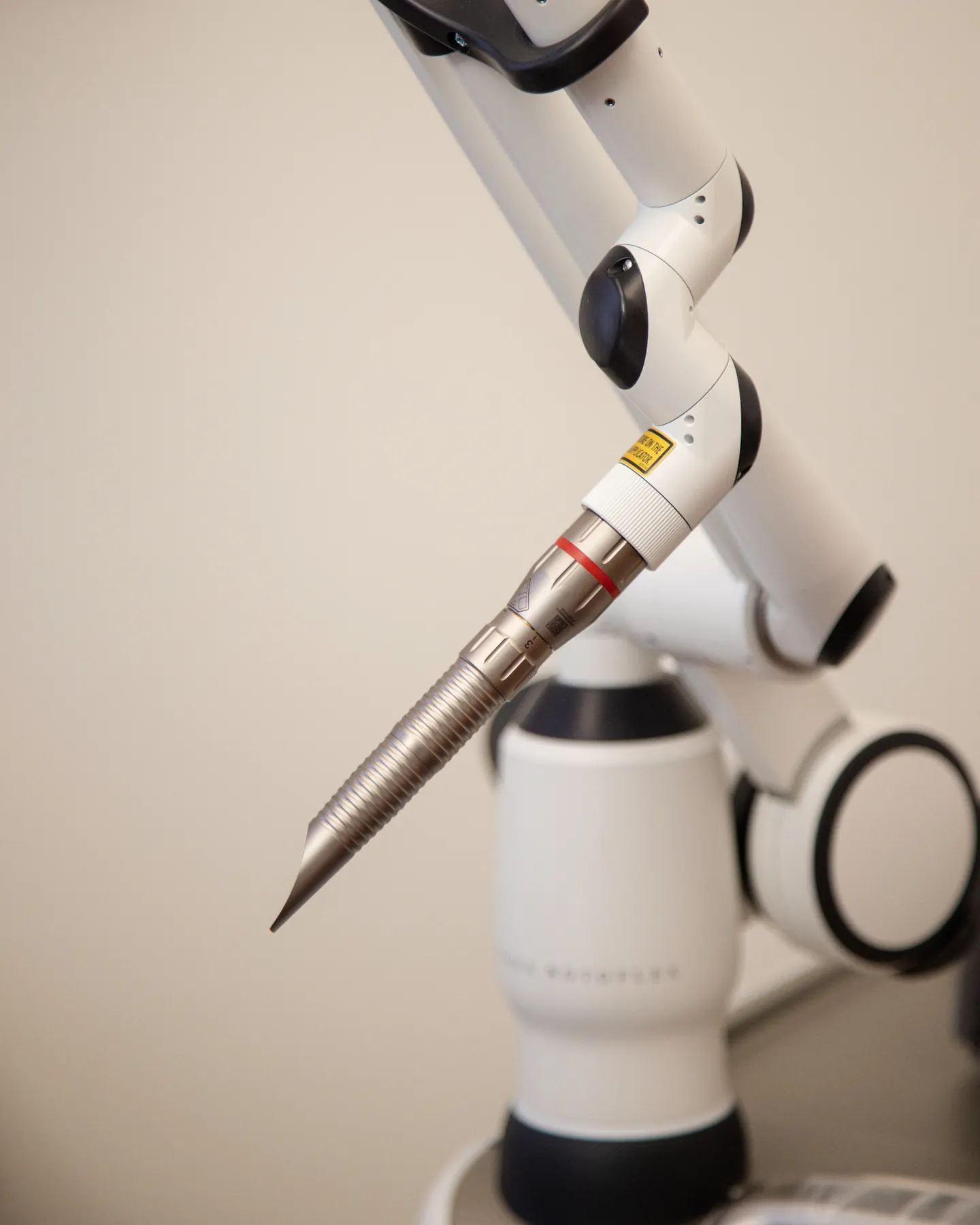
Fotona laser treatments have earned a strong reputation because they do not fit neatly into one cosmetic category. They can tighten lax skin, resurface texture, soften acne scars, improve tone, stimulate collagen, and address certain intimate wellness concerns, all depending on the handpiece, wavelength, and treatment plan chosen. That versatility is exactly what attracts many patients in Encino. It is also the reason a proper consultation matters so much.
When someone searches for Fotona Laser Treatments Encino, CA, they are usually not looking for a physics lesson. They want clear answers. What does the treatment actually feel like? How many sessions will it take? Will they need downtime? Are the before and after photos realistic? Is this the right laser for melasma, acne scarring, fine lines, or loose skin around the jawline?
Those are practical questions, and they deserve practical answers.
The truth is that Fotona is a platform, not a single one-size-fits-all procedure. A patient may come in asking for “Fotona” and leave with a plan for non-ablative rejuvenation, fractional resurfacing, lip enhancement, collagen remodeling, or a combination approach. The machine matters, but the treatment design matters more. In experienced hands, Fotona can be an elegant option because it allows a provider to tailor intensity, depth, and downtime to the patient sitting in front of them.
Why Fotona has become a serious option for skin rejuvenation
Fotona systems are known for using erbium and Nd:YAG wavelengths, often separately and sometimes in sequence. That sounds technical, but the practical takeaway is simple. Different modes can target different layers of tissue. One setting may focus more on texture and surface irregularities, while another heats deeper tissue to trigger collagen remodeling and tightening.
This is why patients often hear names like SmoothEye, LipLase, NightLase, 4D, or Fotona Laser Treatments Encino, CA omniawellnesscenterencino.com fractional resurfacing under the Fotona umbrella. They are not marketing terms for the exact same treatment. They are protocols built around different concerns. Someone with crepey under-eye skin has a different goal than someone with pitted acne scars. Someone hoping to refresh their face before a wedding has a different tolerance for downtime than someone willing to peel for a week in pursuit of stronger resurfacing.
That flexibility is one of Fotona’s strengths, especially in a place like Encino, where patient goals can vary widely. Some want a subtle polished look with almost no interruption to work or social life. Others want a more aggressive correction because they have already tried lighter treatments and are ready for more noticeable change.
The consultation is where good outcomes begin
A strong consultation should feel less like a sales pitch and more like a strategy session. The best appointments are detailed. They cover skin history, medical history, current products, prior procedures, medications, sun exposure, and the patient’s timeline. If someone has a reunion in ten days, that changes the treatment choice. If they have a history of post-inflammatory hyperpigmentation, that changes the approach. If they are on isotretinoin now or recently completed a course, that becomes a very important discussion point.
One of the most useful parts of consultation is clarifying the actual concern. Patients often describe the symptom, not the source. A person may say “I look tired” when the issue is under-eye crepiness and mild midface volume loss. Someone else may ask for pore treatment when the larger issue is textural acne scarring with background redness and oiliness. Lasers can help many things, but they do not replace fillers when true volume loss is the problem, and they do not substitute for surgery when significant sagging is present.
In my experience, the best providers spend time managing expectations around degree of improvement. This matters more than almost anything else. Mild to moderate sun damage may respond beautifully. Deep etched lines may soften but not disappear. Acne scars usually improve in stages, and the exact type of scar matters. Ice pick scars behave differently from rolling scars. Melasma requires special caution because heat can sometimes aggravate it, especially in patients already prone to pigment fluctuation.
Good consultations also include skin typing and a discussion of pigment risk. This is particularly relevant in a diverse community like Encino, where patients represent a wide range of skin tones and react differently to heat, inflammation, and resurfacing. Laser settings are not generic. Conservative parameters may be the smart choice for one patient and unnecessarily weak for another.
What a provider should evaluate before recommending treatment
A thoughtful provider usually weighs several factors at once. Skin tone, recent tan, active acne, rosacea tendency, history of cold sores, autoimmune conditions, wound healing history, and current skincare all influence treatment planning. Even small details can matter. If a patient uses strong retinoids nightly and exfoliating acids several times a week, the skin may need a calmer runway before treatment.
Patients are often surprised by how much timing affects results. Laser treatment just before a beach trip is rarely ideal. Laser treatment during a period of intense stress and poor sleep can also compromise healing, especially when a stronger resurfacing session is planned. Skin recovers better when inflammation is controlled and aftercare is followed closely.
That is one reason reputable offices rarely rush this stage. If anything, experienced providers are more likely to slow things down. They know the consultation is where complications are prevented.
What the treatment day actually feels like
The treatment experience depends heavily on which Fotona protocol is being used. A gentle collagen-stimulating session feels very different from a stronger resurfacing treatment. Patients often arrive expecting a single universal answer to the question, “Does it hurt?” There is no honest universal answer.
A non-ablative tightening session may feel warm, prickly, and occasionally sharp in focused areas. Many people tolerate it well with topical numbing or even without it, depending on settings and treatment zone. A resurfacing treatment that creates more visible peeling typically feels more intense. Heat builds. Certain areas, especially around the mouth, nose, and thinner skin of the eyes, can be more sensitive. Most offices use topical anesthetic, cooling, and careful pacing to keep the procedure manageable.
One detail patients appreciate hearing in advance is that laser discomfort is often less about one dramatic moment and more about accumulation. The first few passes may feel easy. By the later passes, the skin can feel hot and reactive. A provider who communicates well during treatment helps a great deal. So does setting expectations honestly rather than promising a spa-like experience.
After treatment, many people describe the skin as feeling sunburned or windburned. The intensity again depends on the protocol. Mild treatments may leave temporary redness and swelling that settle within a day or two. More aggressive resurfacing can create several days of redness, roughness, bronzing, and peeling before new skin comes through.
The range of concerns Fotona can address
One of the reasons Fotona Laser Treatments Encino, CA continue to draw attention is that the platform can be adapted for different cosmetic and functional goals. In facial aesthetics, common reasons patients seek treatment include fine lines around the eyes and mouth, uneven texture, enlarged pores, superficial acne scarring, dullness, and mild laxity. Some patients are especially interested in non-surgical tightening because they want to postpone more invasive procedures or simply are not ready for them.
There is also growing interest in lip rejuvenation, under-eye tightening, and treatments aimed at improving skin quality rather than drastically changing facial shape. That distinction matters. A well-chosen laser often makes patients look fresher, smoother, and more rested. It does not create the kind of structural change that surgery creates, and it does not volumize the face the way injectable fillers do. It improves tissue behavior. When patients understand that, satisfaction tends to be much higher.
Acne scar patients are a category of their own. They often arrive after years of frustration and can be understandably skeptical. Fotona can be useful here, but the treatment plan may need to be part of a broader strategy that includes subcision, scar-specific techniques, skincare, and multiple sessions spaced over time. Scar revision is rarely quick. It is cumulative.
Downtime is not one thing
The word downtime gets used loosely in aesthetics, and that can lead to disappointment. For one person, downtime means they can wear tinted sunscreen and attend meetings on Zoom. For another, downtime means they are comfortable going to dinner in public. Those are not the same standard.
With Fotona, downtime ranges from very light to quite noticeable depending on intensity. A lower-downtime session may involve redness for several hours, mild swelling the next morning, and a transient dry or rough feel. Patients often return to normal routines quickly. A stronger resurfacing session can mean redness for several days, a sandpapery texture, visible flaking, and temporary bronzing before the skin clears.
People with busy work schedules often underestimate the social piece. Even when downtime is medically minor, it may still be cosmetically obvious. That is why timing matters. Planning around photo events, business travel, and family occasions is wise.
Another point worth mentioning is swelling. Patients tend to focus on peeling, but swelling can be the more surprising after-effect, especially around the eyes. Usually it settles, but it can make people anxious if they were not warned ahead of time. Good pre-treatment counseling prevents a lot of unnecessary worry.
When results show up, and what they really look like
Results after Fotona treatment can appear in layers. Surface brightness and smoothness may improve relatively soon, particularly once initial redness and roughness resolve. Collagen remodeling takes longer. Tightening effects, textural refinement, and scar improvement usually unfold over weeks to months.
This delayed timeline is one of the hardest things for patients to internalize. We are used to instant feedback, but laser biology is slower. A patient may look a little better once the skin heals, then even better six to twelve weeks later as remodeling continues. That is why follow-up photographs matter. Memory is unreliable. Side-by-side comparison often shows progress that day-to-day mirror checks miss.
The degree of improvement depends on the concern being treated. Fine lines and mild texture may respond quickly and gracefully. Deeper wrinkles usually soften but remain. Acne scars improve by percentage, not erasure. Laxity can tighten, but there is a ceiling. Patients with significant jowling or loose neck tissue may be happier with surgery than repeated energy-based treatments trying to replicate a result they cannot truly produce.
One thing experienced clinicians learn early is that satisfaction depends as much on alignment as on technical success. If a patient wanted refreshed skin and accepted gradual improvement, they may be thrilled. If they expected one session to remove years of sun damage and deep folds, even a technically strong result may feel disappointing.
The role of multiple sessions
Some Fotona treatments are done as a series, while others may be spaced out seasonally or annually for maintenance. The exact plan depends on the indication and the settings used. Lower-intensity tightening and rejuvenation often benefit from a series because each session builds on the last. Stronger resurfacing may require fewer sessions, but each comes with more recovery.
There is a trade-off here that should be discussed openly. Some patients prefer one meaningful treatment with a week of visible healing. Others would rather have three or four lighter sessions with almost no disruption. Neither approach is inherently better. The right answer depends on lifestyle, skin type, and goals.
Maintenance also deserves honest discussion. Collagen stimulation is real, but aging continues. Sun exposure continues. Habits show up in the skin. Lasers can reset and improve, but they do not freeze time. Patients who protect their results with sunscreen, sensible skincare, and periodic maintenance generally keep that polished look longer.
Preparing properly makes a difference
Preparation is less glamorous than the treatment itself, but it matters. Sun avoidance before and after treatment is crucial, particularly in Southern California, where incidental sun exposure adds up quickly. Even a short drive, outdoor lunch, or walk with the dog counts if the skin is vulnerable and unprotected.
Skincare usually needs a temporary reset. Strong exfoliants, retinoids, and irritating actives may need to be paused based on the provider’s instructions. Patients with a history of cold sores may require antiviral prophylaxis if the treatment area includes the mouth. Those prone to pigment changes may need pretreatment with brightening agents or a more conservative protocol. This is where customized care separates serious practices from ones that run everyone through the same sequence.
A practical tip that often helps is to prepare the home environment in advance. Have a gentle cleanser, bland moisturizer, sun protection, and any post-care products ready before the appointment. Do not assume you will feel like running errands afterward, especially after stronger treatments.
Aftercare is where many avoidable problems happen
Most laser complications do not come from exotic technology failures. They come from poor patient selection, sun exposure, over-treatment, or weak aftercare compliance. The skin barrier is disrupted after resurfacing. That means fewer products, not more. Patients sometimes panic at redness or roughness and start layering random serums, acids, or heavy occlusive products that irritate the skin further.
The safest aftercare plans are usually simple. Gentle cleansing, hydration, strict sun protection, and hands off. Peeling skin should not be scrubbed away. Heat exposure should be minimized while the skin is actively recovering. Workouts, saunas, steam rooms, and very hot showers can prolong redness for some patients, particularly those prone to flushing.
If something feels off, unusual pain, spreading redness, oozing, or delayed healing, the office should be contacted promptly. Most issues are manageable when addressed early. Waiting and hoping can turn a small problem into a bigger one.
Who tends to do well with Fotona
Good candidates are not defined only by age. They are defined by fit. A patient with realistic goals, stable skin health, and willingness to follow instructions often does very well. Someone seeking brighter, smoother, firmer skin without surgery may be an excellent candidate. Someone expecting dramatic lifting or instant scar removal is usually not.
Patients in their thirties and forties often like Fotona for preventive and corrective collagen support. Patients in their fifties and sixties may use it strategically to improve skin quality, soften lines, and complement other treatments. Men often appreciate that the results can look subtle and natural, especially when the concern is texture, pores, or tired-looking skin rather than obvious cosmetic change.
Where caution enters the picture is with active tan, uncontrolled melasma, certain pigment disorders, unrealistic expectations, and medical factors that impair healing. Darker skin tones can absolutely be treated, but not every protocol is equally appropriate, and not every office has the same depth of experience with pigment-safe planning.
Choosing a provider in Encino
The local market offers plenty of aesthetic options, which makes selection more important, not less. A polished website is not the same as clinical judgment. When evaluating practices offering Fotona Laser Treatments Encino, CA, patients should pay attention to how consultation is handled. Are they asked meaningful questions? Are the benefits and limitations explained in plain language? Are different treatment paths discussed, including the possibility that Fotona may not be the best tool for the goal?
Photo galleries can be useful, but only when read carefully. Lighting, timing, and patient selection influence what you are seeing. Better signs of quality include thoughtful counseling, specific aftercare instructions, transparency about number of sessions, and a willingness to say no when expectations do not match reality.
It also helps to ask who actually performs the treatment, how often they perform that specific protocol, and what they recommend for your particular skin type. The more specific the answers, the better. Vague reassurance is rarely a good sign in laser medicine.
Common misconceptions that deserve clearing up
One misconception is that all laser treatments are basically the same if they come from a respected brand. They are not. The experience and result depend on settings, protocol selection, patient skin characteristics, and operator skill.
Another is that more aggressive automatically means better. Sometimes it does mean more visible change. Sometimes it just means more downtime and more risk, especially when treating pigment-prone skin. Restraint can be a sign of expertise.
Patients also Fotona Laser Treatments Encino, CA sometimes assume no-downtime means no results. That is not always true. There are meaningful cumulative improvements from lighter treatments, especially for texture, mild laxity, and overall skin quality. The trade-off is patience. You may need several sessions and maintenance to achieve the look you want.
Finally, there is the belief that one treatment can solve every concern. It rarely works that way. The most satisfied patients usually have a plan, not a miracle expectation. Sometimes that plan includes Fotona. Sometimes it includes skincare, injectables, microneedling, surgery, or simply better sun protection habits alongside laser work.
What “worth it” usually means
Whether Fotona is worth it depends on what the patient values. If the goal is refreshed skin quality, gradual collagen support, and a customizable approach that can range from light to more intensive, it can be a very worthwhile investment. If the goal is replacing a facelift, eliminating every scar, or bypassing all downtime while demanding dramatic results, disappointment is more likely.
The best outcomes tend to come from a measured process: an honest consultation, a protocol chosen for the actual concern, realistic expectations about healing, and enough follow-through to let collagen remodeling do its work. Patients who approach it that way often end up pleased not because the laser performed magic, but because the treatment matched the problem.
That is really the whole story behind Fotona. It is a capable tool, sometimes an excellent one, but still a tool. What matters most is how thoughtfully it is used, how carefully the skin is prepared, and how well the patient understands the path from consultation to results. In a setting like Encino, where sophisticated patients have access to many cosmetic options, that kind of judgment is what separates a trendy treatment from a smart decision.
OMNIA Wellness Center
Address: 16430 Ventura Blvd Ste 207, Encino, CA 91436
Phone number: +18183868511
FAQ About Fotona Laser Treatments Encino, CA
What is a Fotona laser good for?
A Fotona Laser system is a versatile, dual-wavelength medical laser used primarily for non-surgical skin tightening, anti-aging rejuvenation, and dermatological treatments.
How much does the Fotona laser cost?
The cost of a Fotona laser depends heavily on whether you are looking to purchase a laser machine for a medical practice or are a patient seeking a laser treatment at a medspa.
Is a Fotona laser worth it?
A Fotona laser treatment is generally worth it if you want non-surgical skin tightening, improved texture, and collagen stimulation with very little downtime.